Category Archives: Coursework

Tutor Report Part 3

For Part 3, I received a video tutorial with my tutor Emma Drye, followed by a written report. I was really grateful for the video tutorial, as after feeling quite cut off from everything during the quarantine,  this positive and encouraging video chat, really boosted my enthusiasm again.

I had had a lot of fun with Part 3 though, and felt really happy that the projects were light and fun and possible to do in family, like for example blind drawing. Emma Drye also commented on how the video that I submitted for Assignment 3 was a great example of studying with the OCA, combining making art with a role in the family. In the video of spontaneous and intuitive drawing to music, my family pass through and play an important role. My tutor pointed out, that there is a professional quality to the video whilst still feeling personal and the choice of music was exactly right.

We also discussed the Parallel project, which helped formulate it further: “Your other body of work is a slow deconstruction of your home and an exploration of the community narratives that connect it and you to your neighbors.”

We discussed narratives; who owns them and who are they for. We discussed our house as a nexus of narratives and how having moved into it suddenly for lock down have made us part of this narrative. We also discussed how far they might extend beyond the house, or whether neighbors might be invited in, as well as how the stories can be communicated.

We also discussed other artists that have worked around the concepts of place, home or belonging, which is tying in to the parallel project and a subject I am curious about for the Critical review as well:

Daniel Miller – the comfort of things (book), Hans Peter Feldman – archives, Jeremy Deller , Cornelia Parker, Andrew Cranston, Vija Celmins

I will write a separate post researching these artists in the research section of the Parallel project.

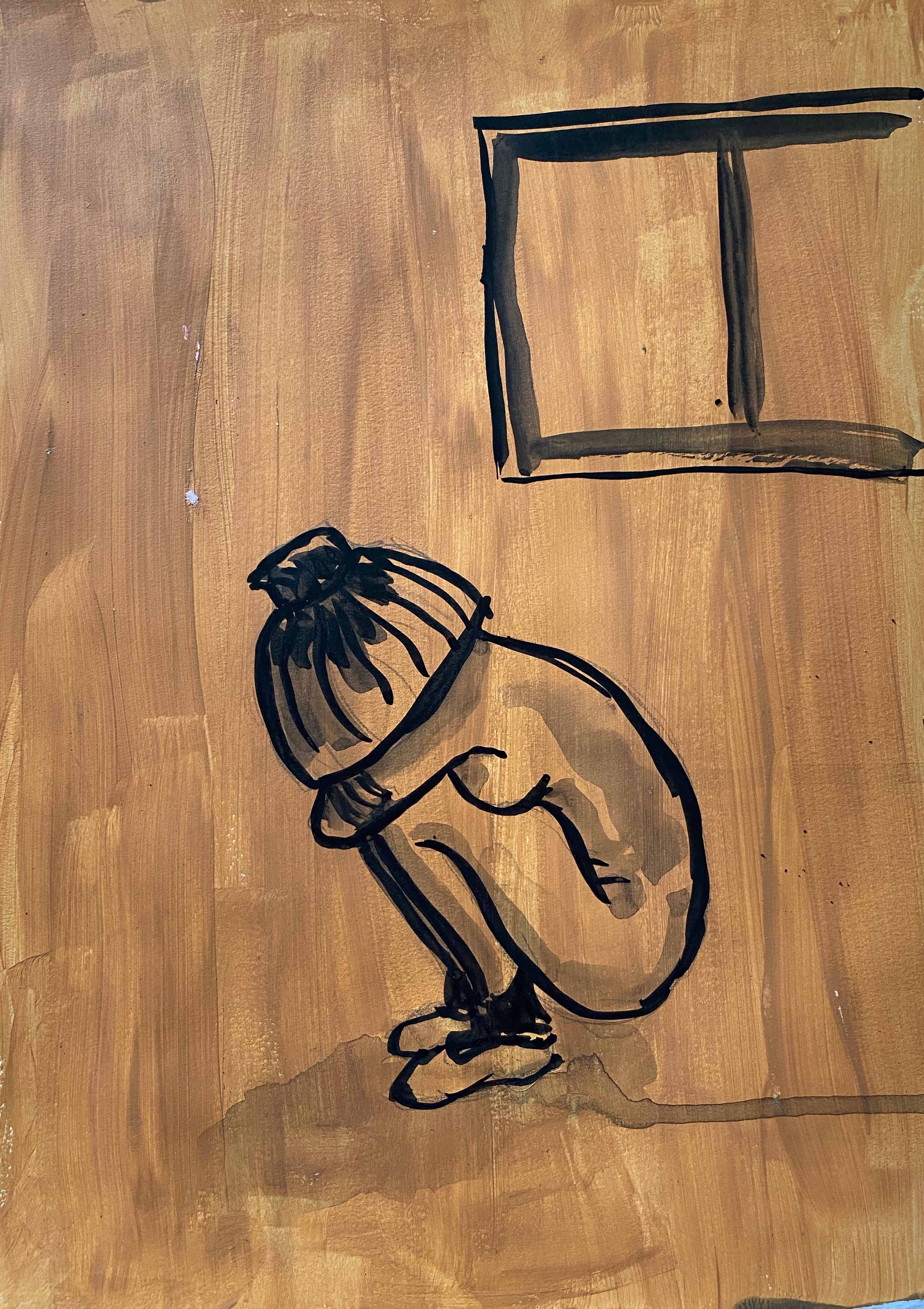
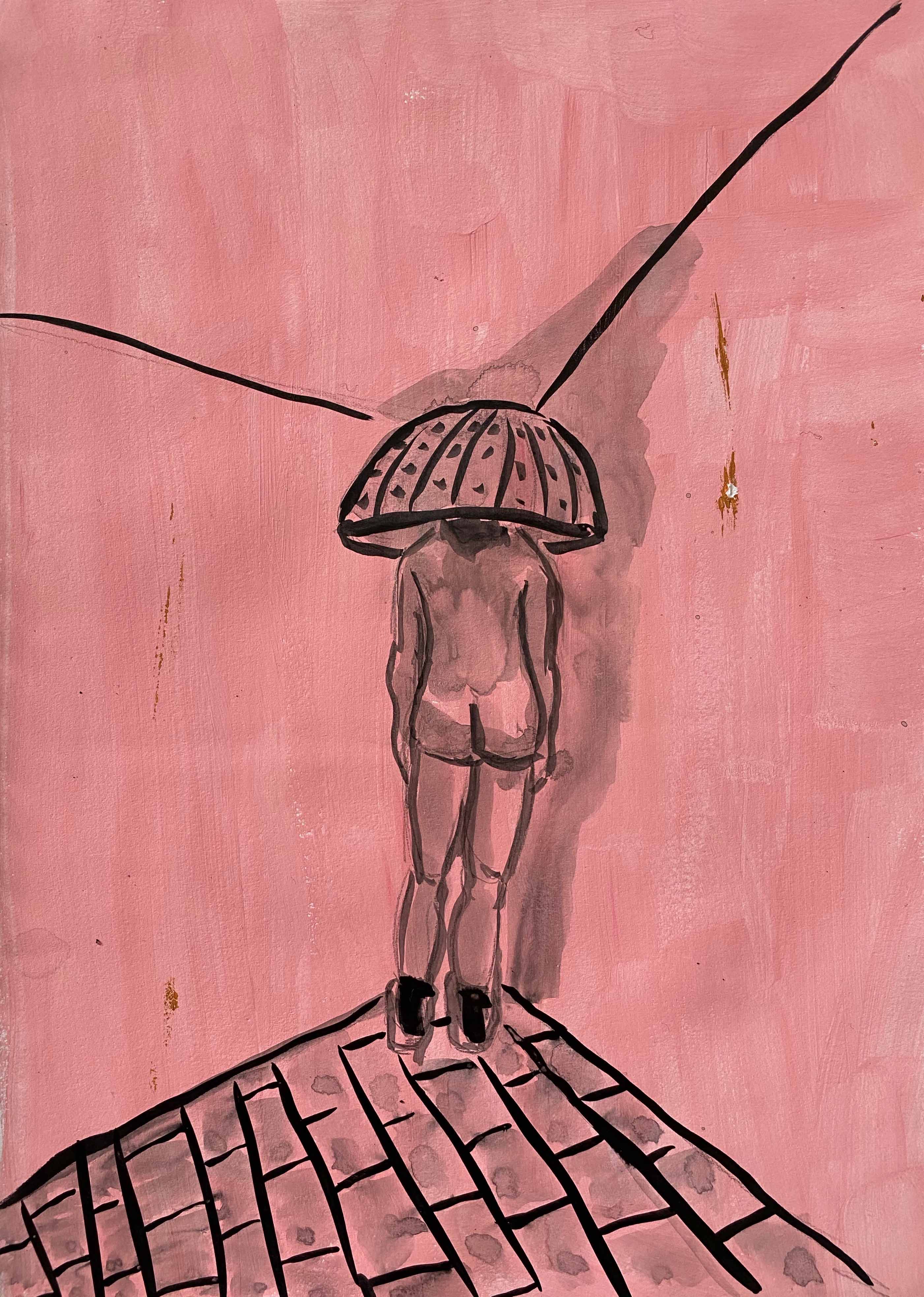
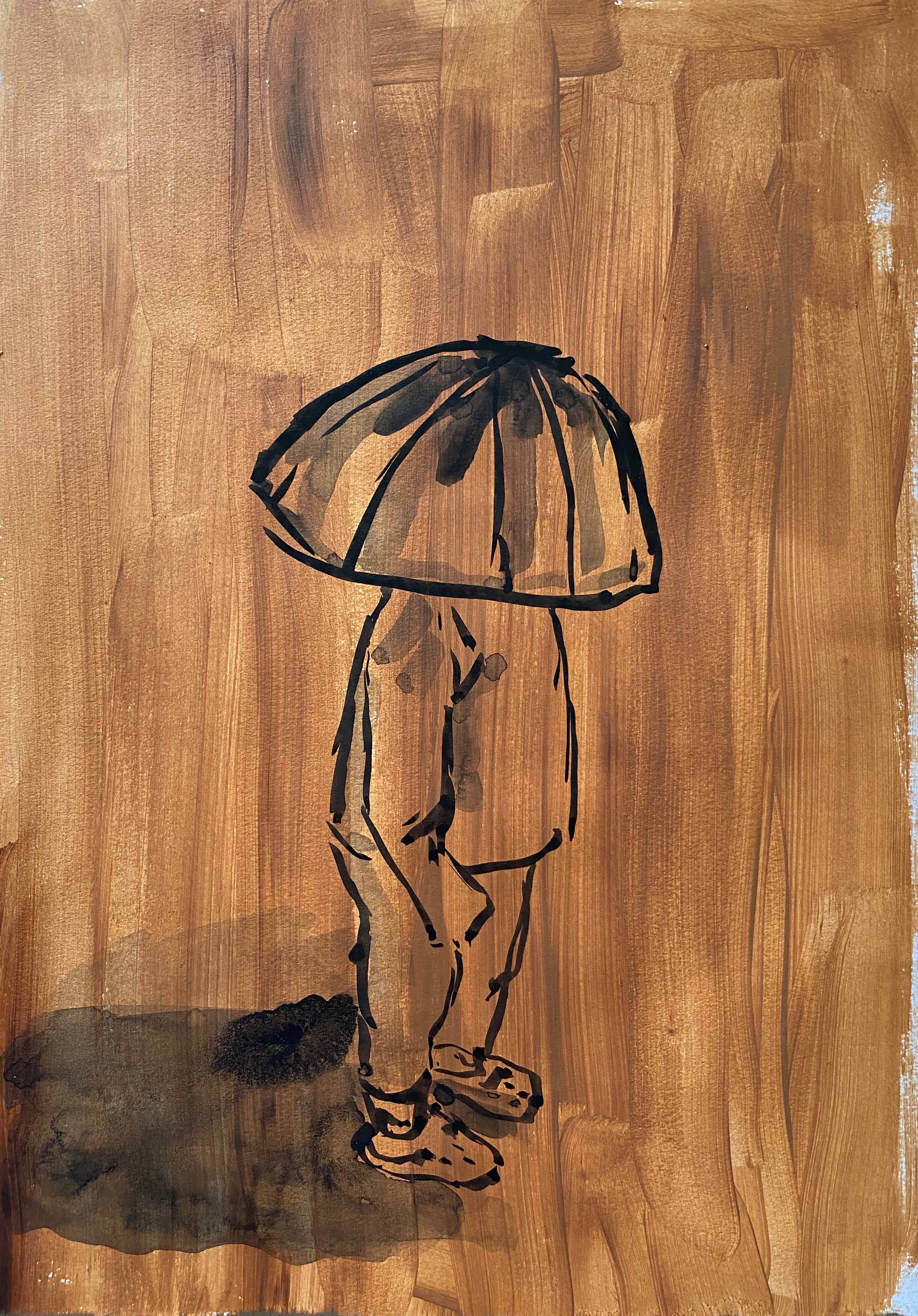
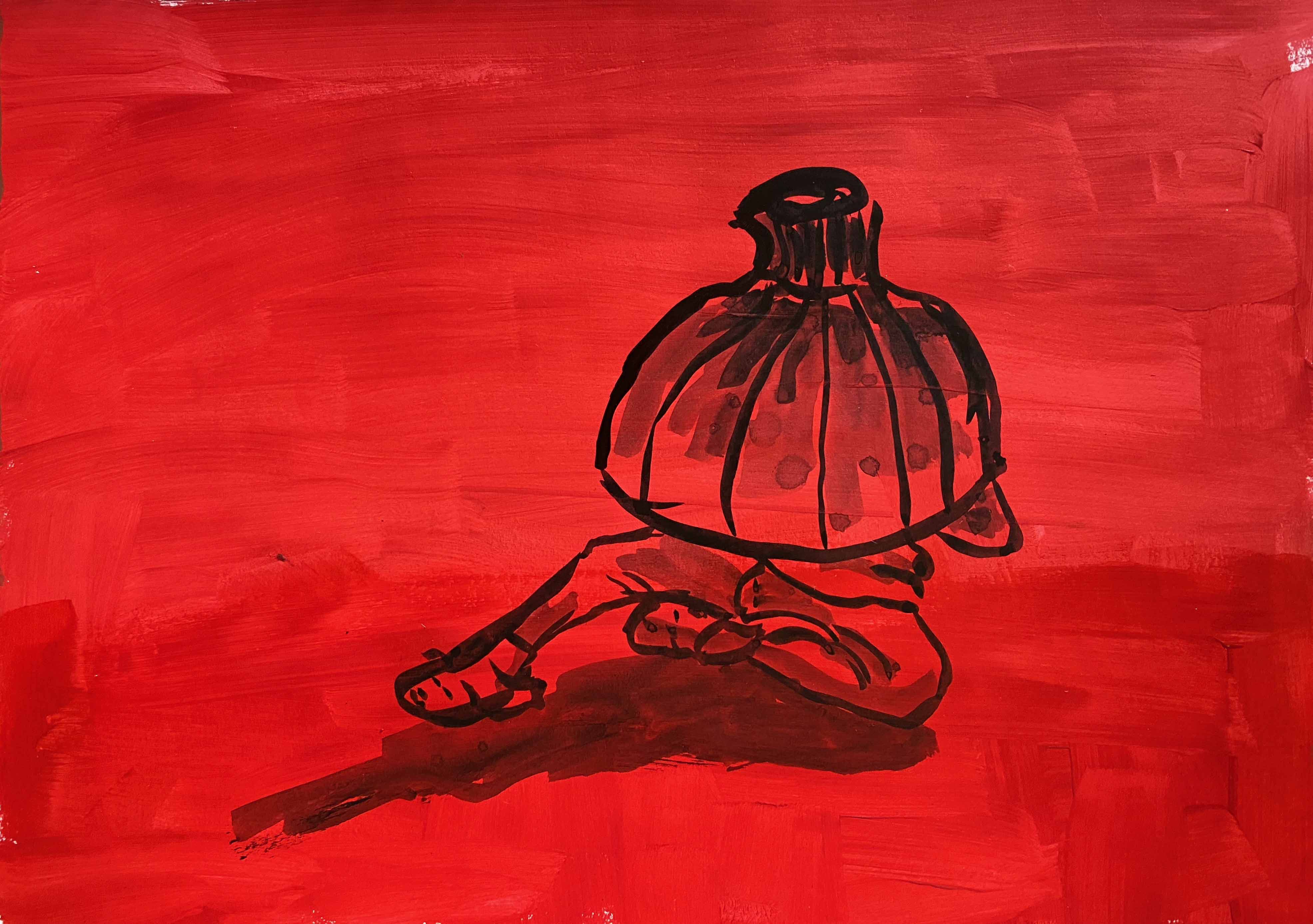
We also discussed  how painting as well as drawing can be a part of the work and looked at the paintings with figures and lampshades that I did as part of the Parallel project. Emma Drye encouraged me to slow down, to work in more preparatory steps that I then pin up around the easel. Working in oil, I will let the paint dry in between layers, which will help create a sense of space. In my paintings, there is a lot of blending. When creating more distinct layers, the surface of the painting creates a bridge to 3D, which brings dynamism to the process. If not, it has to be more clear, that the flat character is a conscious choice, like for example in the paintings of Paula Rego.

Emma Drye also asked how the many tiles and patterns in the house can find their way into the project, which is an aspect that had slipped away for me somewhat- so it was a good reminder. To be honest, the chocking overwhelm of the different pattern have already become so familiar after a few months in the house.

I really like the format of the video tutorial, which gives more space for discussion, and then a follow up with a written report which emphasizes the main points again, also containing a list of interesting and relevant artists to research. I feel ready to launch into Part 4, and to continue exploring the Parallel project.


6. Parallel project- transformation and chairs

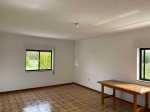
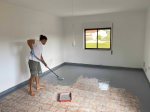
Our latest interventions with paint pots and brushes has brought a sense of transformation to some parts of the house. We are slowly taming the wild patterns and pipes and colour explosions.

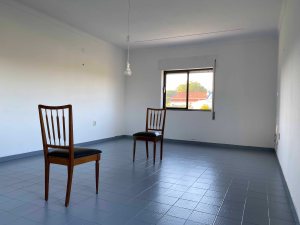
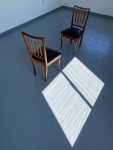
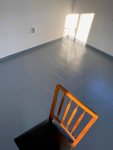
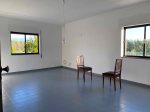
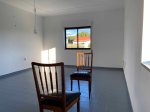
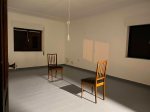
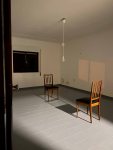
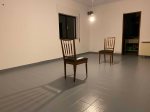
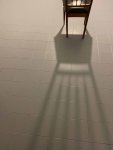
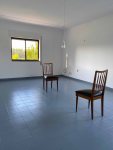
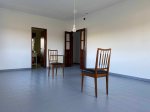
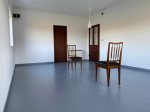
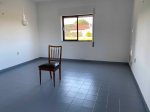
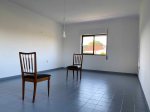
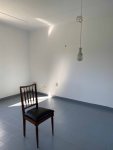
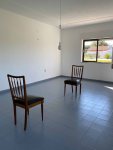
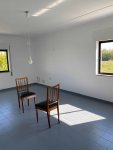
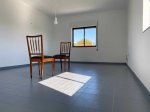
We are joking that we have moved from a Pedro Almodovar movie to one by Lars Norén. Two left over chairs appear in the room, and the cold white/grey surroundings with a single lightbulb hanging transform the scene into an interrogation room.

I am walking past this weird random scene in different lights of the day, and start documenting the different atmospheres.

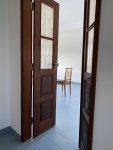
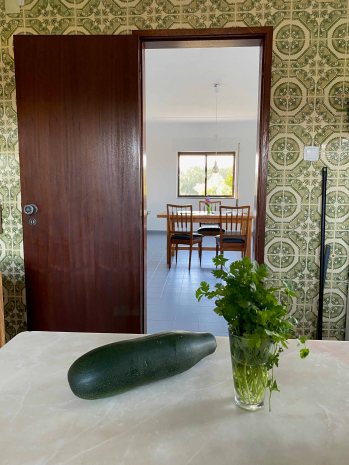
Stepping out from the kitchen into this new reality really highlights the contrast:

Take the walk with me:


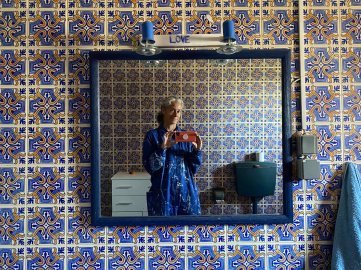
I am still savoring the trip of going to our wild bathroom for a little longer- before our Scandinavian sparsity will creep in here too.

6. Parallel project – Wallpaper and Covid 19 music

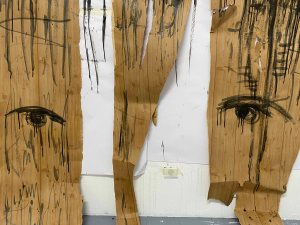
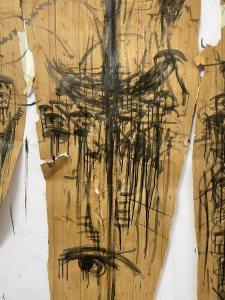
Drawing on music for Assignment 3 opened up a desire for more spontaneous and intuitive drawing that I continue exploring here. After drawing on left over shower-curtains, I discover a new interesting support in the wallpaper that I pull down from the ceiling of the living room.

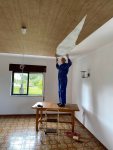
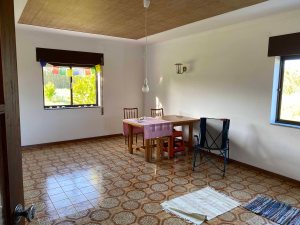
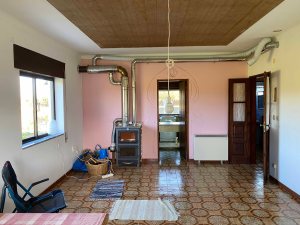
Our living room has fake wooden wallpaper on the ceiling and one pink wall behind an industrial set up of pipes, pared with our sparse, last minute quarantine thrown in furniture, besides the ever present wild tiles of course.

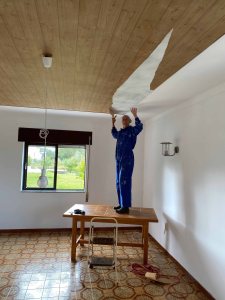
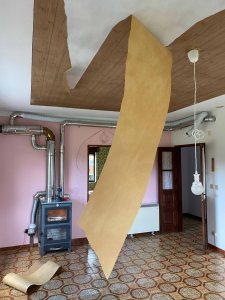
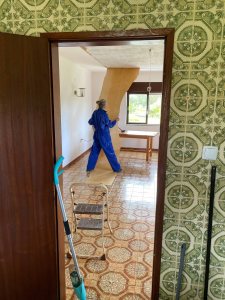
It is a relief to start steaming and pulling down the fake ceiling.

While doing so, I am thinking of all the stories these walls and ceilings have heard, of all the laughter and tears during the many years in this house. When I realize that I can pull off rather large chunks of the paper at a time, I see how this can become an interesting support for drawings:

It is the lockdown of the Covid 19 that brought us here so quickly and intertwined our history with the ones of the house.  Tom Woodfin, my dear friend who is sharing this time here with us has made me aware of the composer Marcus J Buehler who has translated the DNA structure of the virus into music:

Viral Counterpoint of the Coronavirus Spike Protein (2019-nCoV) by Markus J. Buehler on #SoundCloud

This piece is roughly one hour long. I will use the old wallpaper as a support for intuitive drawing while listening the the music from the Covid 19 virus structure. In this way, I connect the many stories absorbed from the house, with the beginning of our story here.

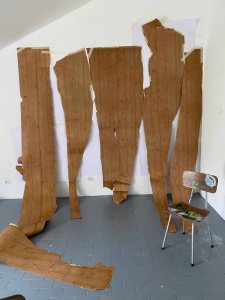
I tape the stripes of the wallpaper to the wall of my studio:

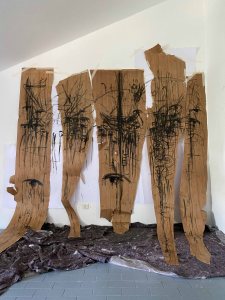
I find they look like ancient scrolls and decide to use only Indian ink for my marks, curious to see what spontaneous new story will emerge.

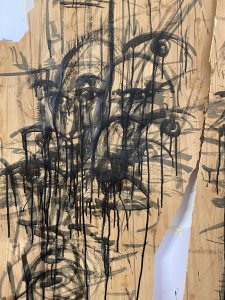
After one hour of loosing myself in the lulling sounds of the virus, combined with a breathwork mix by Tom Woodfin based on the above musical piece above this is what emerged:

As well as connecting our own presence to the house, I was curious to really feel into and listen to this musical interpretation of the virus. It is something so difficult to grasp on a conscious level, and I was hoping to find this way of feeling into what is happening.

What came out of this listening, was a feeling of overwhelm and tiredness. There was no feeling of threat or danger, I saw more a cry for help. There were many tears cried by many eyes and more water than that, some boats and many drops.

This was a fascinating way of exploring how I felt about the Covid 19 virus, which on a conscious level brings up more questions than answers. At the same time, it was an interesting way of connecting our story to this support that has soaked up so many stories told in this house.

Music:

And Tom Woodfin Mixcloud breathwork sessions:


4.3 Installation: The Nest

Course manual: “Aim: Many artists use installative drawings and what these artists are doing positions the viewer or audience member in a totally different way to someone viewing a work on the wall contained within a frame. Using the link below, look at the work curated for On Line, an exhibition of contemporary drawing held in Edinburgh in 2010. Look particularly at the section entitled ‘line extension’ which discusses the work of Robert Rauschenberg, Cy Twombly, Ellsworth Kelly, Karel Malich, Edward Krasinski and Pierrette Bloch: http://www.moma.org/interactives/exhibitions/2010/online/”

“Method: Make a drawing that relates to its environment in a way that creates an interesting dynamic between the artwork and the space around it. Think about ways that drawings could take part in a kind of dialogue with the space they inhabit. Text might be one way, or a drawn object in partnership with its real world equivalent.”

In this chapter, I have really enjoyed exploring the Landart work of Richard Long and Andy Goldsworthy, using materiasl directly from the land around them to create their stunning pieces. I have also felt very moved by the work of Ana Mendieta, that I was less familiar with before. I am especially fascinated by the way she fuses the use of the elements surrounding her and her own body.

For this project, I want to make a Landart installation, using branches and sticks from the land I live on. My idea is to create a giant nest. A nest for me is a symbol of a place to land in, a place that feels safe, that feels like a home.

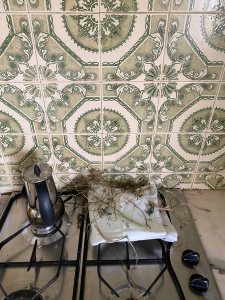
We are currently “nesting” in this big, quirky house after very many years of a nomad lifestyle, so the subject of “creating a nest”, a home, is very present.  We also have a small problem with swallows nesting in our chimney and leaving us the offering of some branches on the stove every single morning:

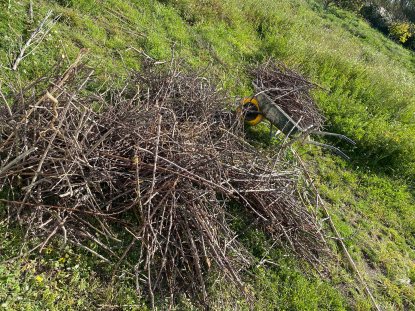
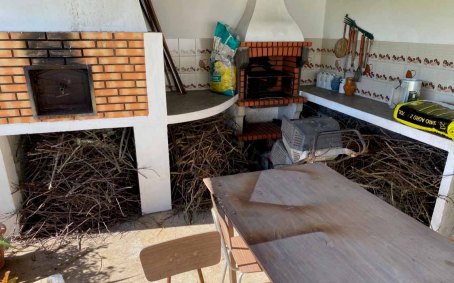
After pruning a lot of old and dry trees, we also have a good supply of prime nest material:

My idea is to create a giant nest, big enough for two persons to sit and converse, drink a cup of tea or meditate in.

This is a site specific installation because it will be a literal nest , on the land where we are nesting, created through branches from the trees growing here. It is deeply connected to this specific place. My intervention will bring a new sense of ordering to elements that were here already.

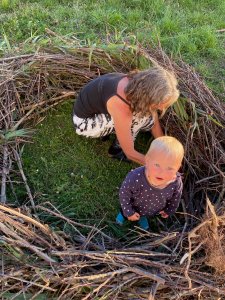
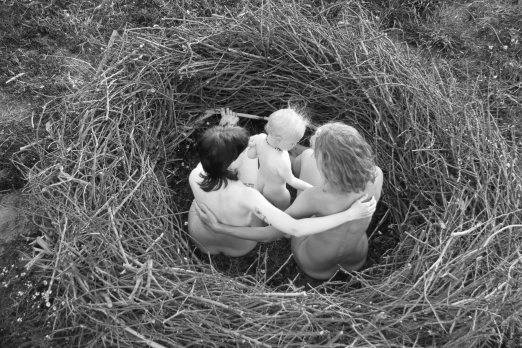
I then plan to create a series of photographs of me and my daughter and granddaughter in the nest, and so connect to the idea of lineage and connection, of creation. This is inspired by the work of Ana Mendieta who often uses her own naked body in a fusion with the natural elements.

Hopefully, I will be able to build a nest that is then possible to move though, so that it could theoretically be placed in a new and different environment, for example a gallery, in a busy city, where a spectator could sit down quietly and feel transported to a calm and safe nest.

Richard Long, who uses circles a lot in his work, speaks about the primal perfection of a circle and the primal feel of standing within one. I hope I can achieve a beautiful, safe circle to spend time in.

THE MAKING:

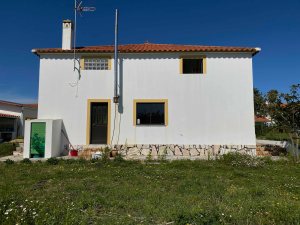
I choose to build the nest right in front of the house, so that we will be able to take the planned photos from the second floor windows.

I am hoping that the nest will be solid enough to be possible to transport to a more discreet spot in the garden later (and theoretically to a gallery :))

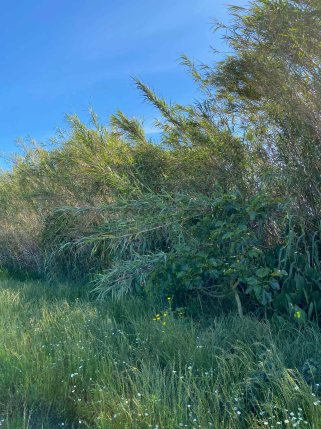
I need to build some sort of light frame to weave the branches onto, and have spotted some canes that have already fallen and are crushing a small fig tree:

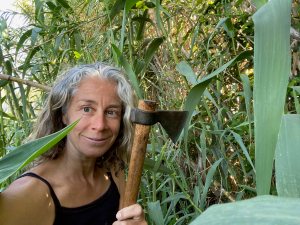
Who knew that my years in the Philippine jungle handling a machete and building mud houses would come in so handy in a Drawing course:)

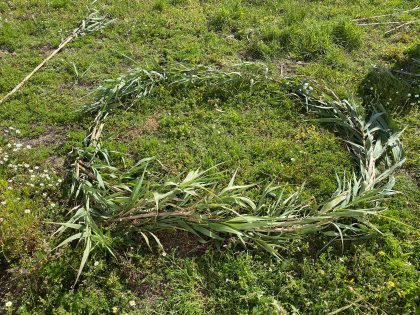
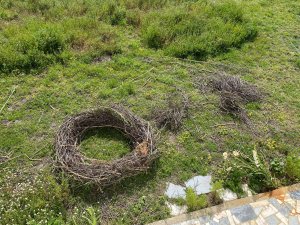
I start by creating a frame with the bendable parts of the canes:

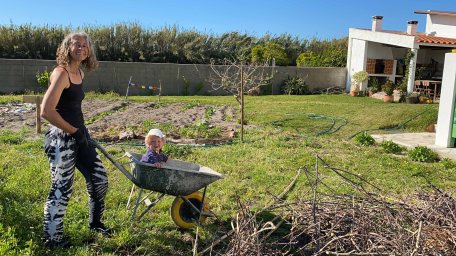
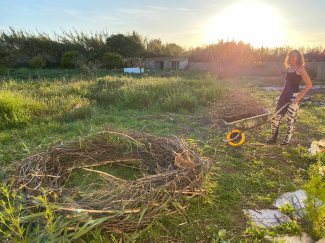
I carry loads and loads of wheelbarrows with sticks from our storage in the outside kitchen to the nesting site. (Trying not to think of how much effort it just took us to store them there before I had this idea to tear them out again.)

I choose the longest branches, to weave into the cane frame creating loops that I can then fill with smaller branches:

Of course my little helper is present, and enjoys the rides back to the shed.

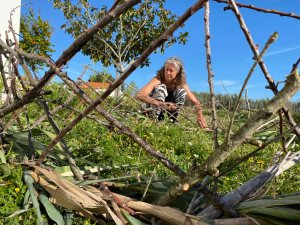
I spend many hours “fleshing out” the frame by weaving sticks and thickening the structure:

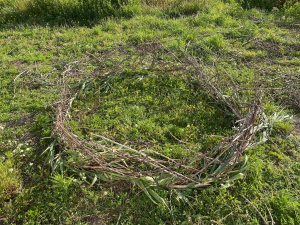
This is how the nest looks when the sun sets on Day 1:

When I see it from the second floor the next morning, I feel real joy. I feel like I am making a statement that reconnects me to this specific place, with my scratched hands touching the earth and the branches from the trees grown here, and at the same time there is something so universal, in this need to create a nest, to order the messy branches into a circle that feels safe.

It takes the whole of day 2 to finish building up the bulk of the nest by weaving smaller branches into the longer ones and twinning them so that they would create a stable body.

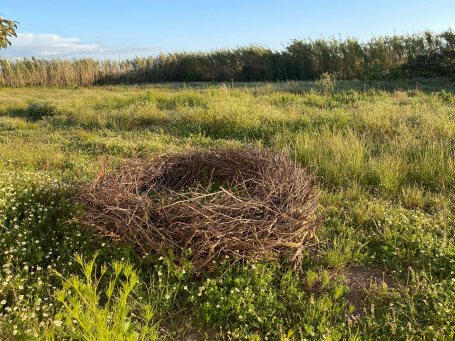
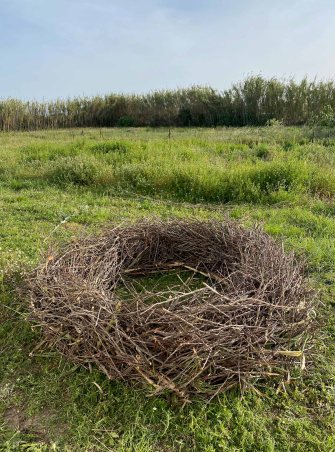
This is the finished nest:

THE PHOTOGRAPHS:

The nest is ready for our photo session.

My partner Andre and our best friend Tom are ready with cameras in the second floor window.

Inspired by the work of Ana Mendieta who uses her own naked body and the idea of that body merging with nature as a symbol of rebirth, or regeneration, we will use the bodies of our three generations of women here- we will sit in the nest with my daughter and granddaughter, naked on the earth that has welcomed us, in a ritual of landing safely. It also becomes a ritual of my daughter getting ready to leave the nest- it is time.

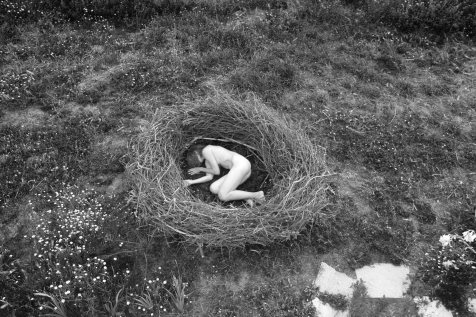
We are also creating a series of photos of me lying down on the ground, which feels even more like a vulnerable merging with the earth, and with this specific place.

My parallel project is about exploring the history and my own connection to this house and documenting its transformation. This Installation connects to that same quest.

It would be possible to move this nest into a very different environment, where it’s strength could be in the stark contrast between the materials used here and the surroundings- for example a cool concrete floor and shiny white walls. I can imagine a series of photographs on the walls, while the visitor can be invited to sit down in the nest and reflect upon how it feels.

I would argue that this installation is a drawing, as it has been patiently created by intertwined lines in space. It is a drawing using “poor materials” and deeply connected to the environment, constructed with elements of the same environment.

Parallel project- Painting to music on shower curtains

I have just completed Part 3, which ended with painting to music- a process I absolutely loved.  A link to the blogpost about Assignment 3:https://clarasdrawing2.design.blog/2020/05/02/assignment-3/(opens in a new tab).

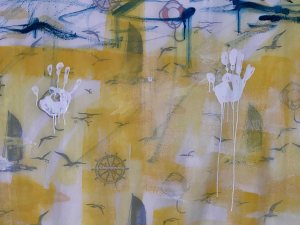
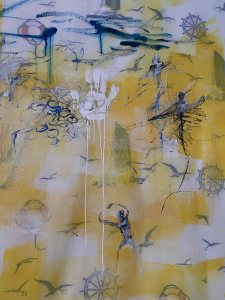
Among the many treasures of old left over items in the house that I am using for this parallel project, were two shower – curtains left hanging. I decide to approach the same process of painting to music using these two very different large curtains as supports.

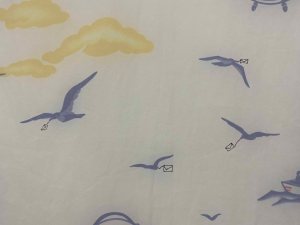
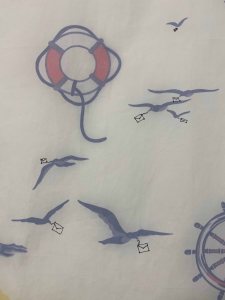
I start with a curtain with a plastic feel and a maritime theme with sailboats and seagulls:


I choose Portuguese music- Fado- with lyrics about the sea and longing. Fado is traditional Portuguese music and it is full of feeling and tears and sad lovestories, that I can very well imagine associated to this village close to the sea. The Portuguese word “Saudade” meaning “Longing” has a special place both in the language and in this type of music.

I was imagining starting by just closing my eyes and moving to the music, but I immediately got drawn to let the seagulls carry loveletters and started adding a letter to every bird.

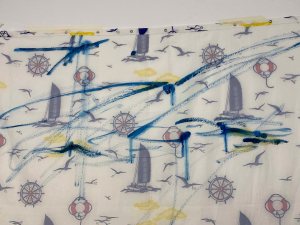
I could feel tears building up and let some large sad movements with blue acrylics follow the birds and drops (tears) flow.

I felt the drama building up and grabbed a large brush with burning yellow, followed by white using my whole palms.

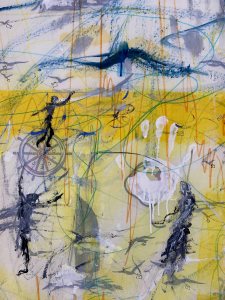
As the story became denser- figures started appearing, calling out, clinging, longing, running, reaching.

Different tones had different coloured marks, and I let the layers build up.

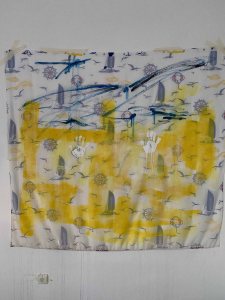
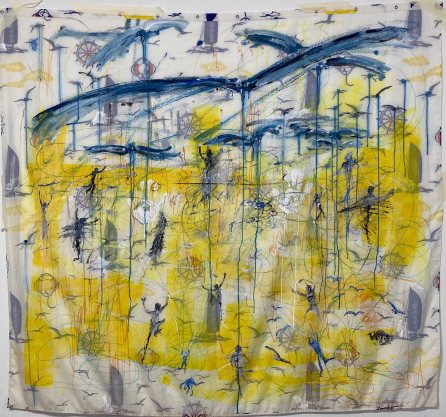
This is the final painting on the shower curtain:

This painting is again more a story about process than a final, finished piece, like I experienced with Assignment 3 as well.  I felt that starting from a patterned cloth, rather than a blank page conditioned the story too strongly. I was already caught between the lyrics of the music and the motive of the existing curtain, which directed my imagination strongly.

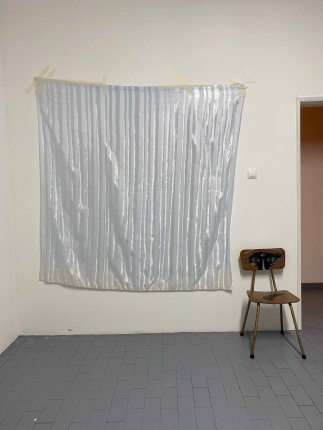
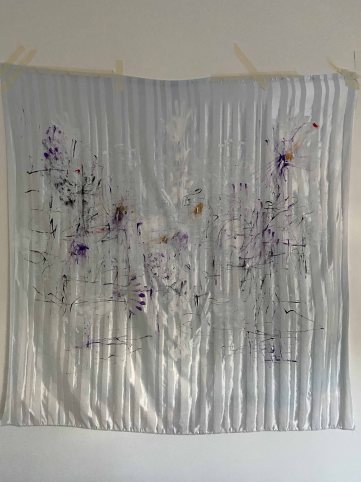
The second showercurtain is in a plain blue grey colour with a silky finish. I feel relief at starting without a print.

I choose to listen to Fado again- traditional, very emotional Portuguese music. Again the theme is unanswered love and longing.

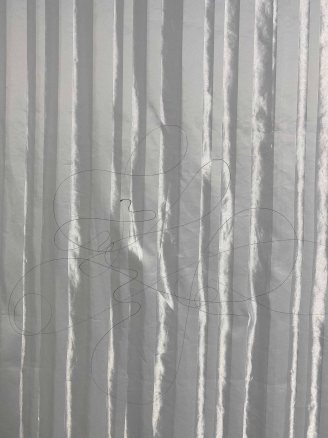
This time, I close my eyes and just let the pen dance over the fabric in movements to the music.

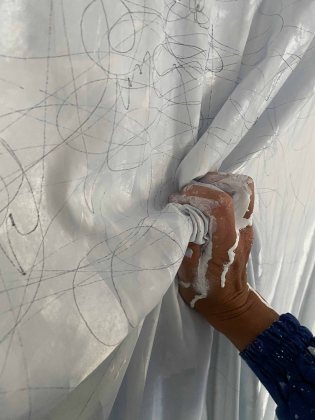
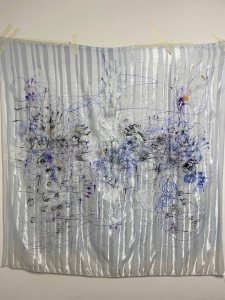
I realize that the touch of this fabric is very sensual, and decide to continue exploring that by painting with my hands and fingers, emphasizing touch.

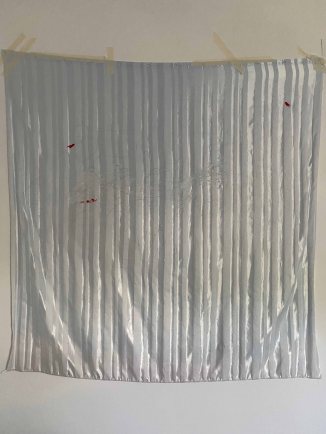
There are some sharp, painful moments that I see in red:

After approximately 45 minutes of listening to Fado, I have really reached a point of saturation. I step back and see if I can recognize a motive in the musical marks.

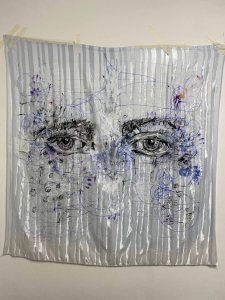
It requires pushing the imagination, but I decide to see the face of a lost love in the marks, and bring it forward with black acrylic paint.

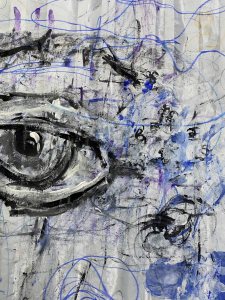
The final portrait on the shower curtain is not so convincing- but this process of painting to music brings forward an incredible amount of different marks and layers. It allows for a freedom of marks and use of different media that feels very liberating.

This richness of marks and layers that this free and intuitive approach is adding to the drawings is definitely something I want to continue exploring in various contexts.


2.2 Interacting with the environment

Course manual: Aim: Drawing in a favourite or inspiring place can be very rewarding, but a great deal of translation goes on – in terms of scale, for example, as well as the information from other senses than the visual which is harder to convey. Creating a site-specific artwork enables the artist to manipulate the participant’s experience of the actual environment, rather than presenting a simulacrum in two dimensions for the spectator to reconstitute imaginatively, or a remnant left over from the artist’s own experience.

Method: Take a walk in a place you know well and make five different small drawn interactions in the environment using only what you find around you and your own body and without damaging any plants or animals in the process. Try to do things which will affect the way a visitor to the space would perceive it, either by directing their gaze or by changing the qualities of the place.


After eight weeks of Covid 19 related lockdown, we can finally go to the beach legally! I do not hesitate long in the choice of where to go for this project!

BEACH WALK nr 1:

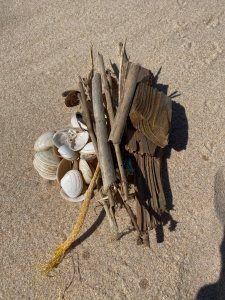
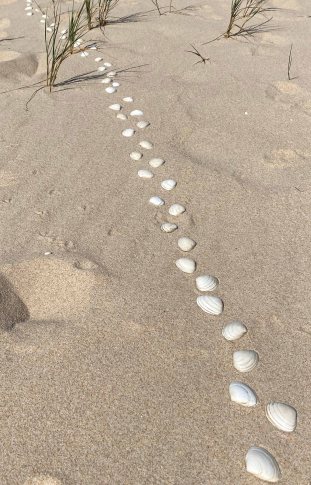
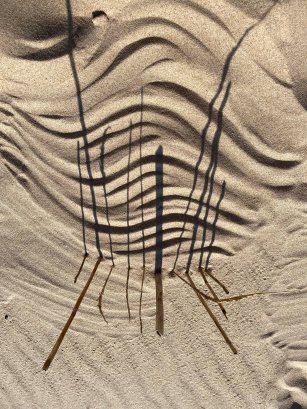
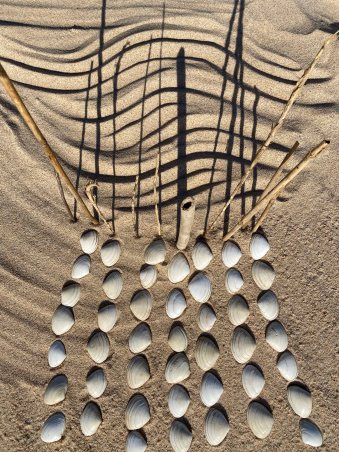
I start by collecting an array of sticks and white shells that I find on the beach.


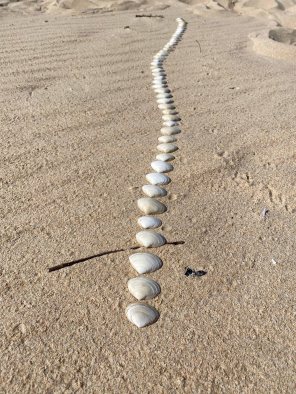
Inspired by the many ways of drawing a line in Land art, for example the beautiful line of dandelions on a tree trunk by Andy Goldsworthy, I place the shells in a line.

It is so simple, but I find it quite effective. It reminds me of a spine.

I then try a different arrangement, where the shells are placed in a double line, a little like footsteps in the sand.

Both of these “drawings” would definitely direct the gaze of an onlooker and awaken curiosity.

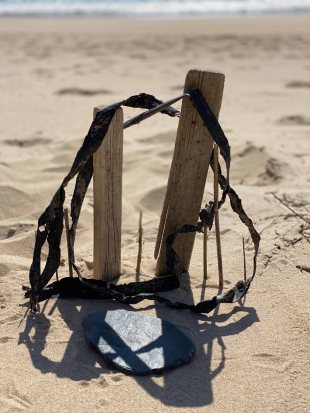
I create a small installation with some of the driftwood, that I find respond to a certain harmony:

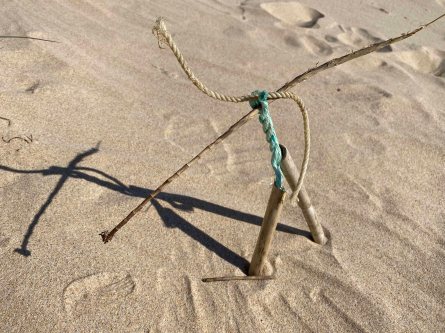
The sun is getting lower, and I realize that the shadow is becoming an integral part of the drawing. I create a figure from some driftwood and a piece of string.

The wind is gently rocking the string, so that it actually looks like a moving figure.

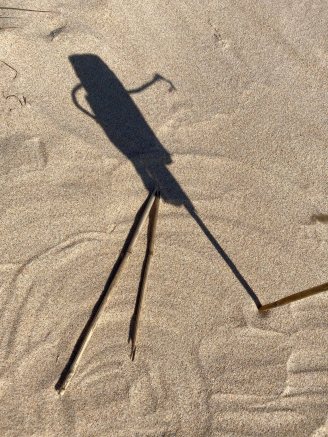
For my next piece, I focus entirely on the shadow- it becomes a running figure:


I continue using the shadows as part of the drawings. I like the very ephemeral nature of this and the movement that the change of the light brings to it.

For a final piece, I join the shells to this shadow and sand drawing:

I love the immediacy and the connection to the place and the elements, that I feel while creating these little pieces with parts that I find randomly, and the sand and the light.

BEACHWALK NR. 2

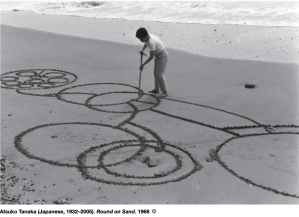
Sand drawings is an integral part of many traditions. I have just researched Emily Kame Kngwarreye who started with aboriginal sand drawing and body painting before she moved on to painting on canvas. I love drawing in the sand, and have discovered quite a lot of contemporary artists that do this too. One of them is Atsuko Tanaka, that I discovered while researching the exhibition On Line from 2010.

(Image from: Moma. 2020. MoMa/On Line. [Online]. [1 June 2020]. Available from: https://www.moma.org/interactives/exhibitions/2010/online/#works/02/54)

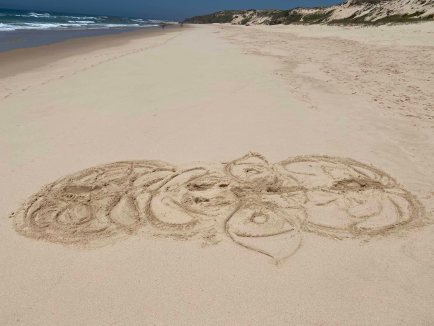
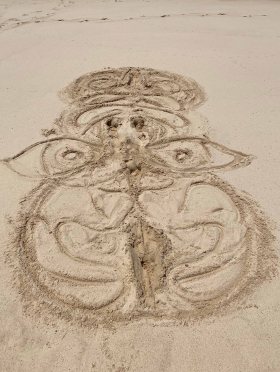
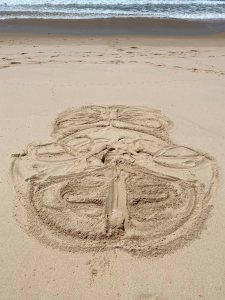
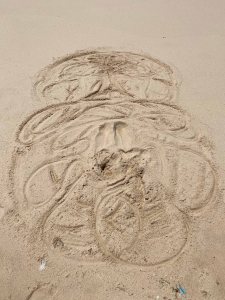
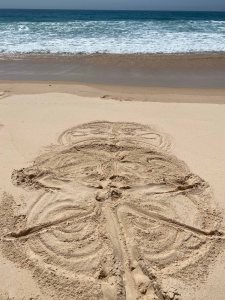
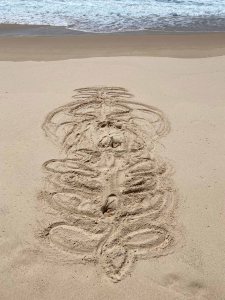
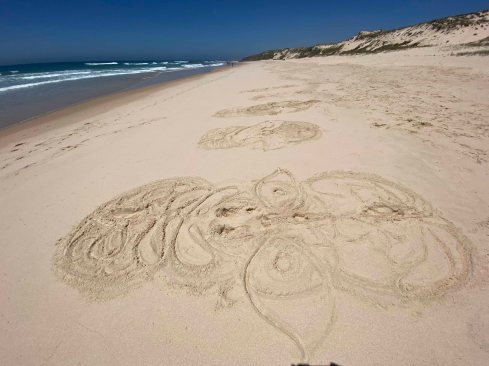
I will not use a stick to draw however- I love feeling the sand on my hands and body. Continuing the large format drawings on paper that I explored for Part 1, and the body prints for Part 2,  I will draw with my hands and feet reaching as far as I can while stretching out in various poses. The drawings will record the lines my body makes in the sand.

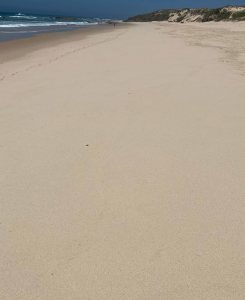
I walk til I find a most untouched stretch of sand, big enough for several large drawings beside each other.

I jump as far as I can feet together into the sand and lie down, stretching as far as my arms and legs reach symmetrically. This is the first drawing:

front view:

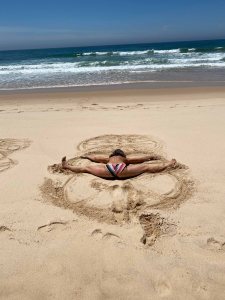
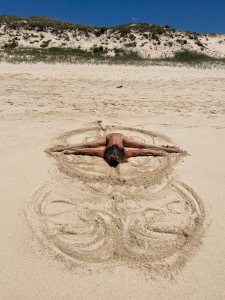
While on my second drawing, my partner Andre takes some pictures of this simple process, that show the scale of the drawings:

Drawing nr 2:

Drawing nr 3:

I am allowing the movement and the sensations of the sand guide the drawing, more than any idea of a visual shape. This is very much spontaneous, sensory drawings.

Drawing nr 4:

And drawing nr 5:

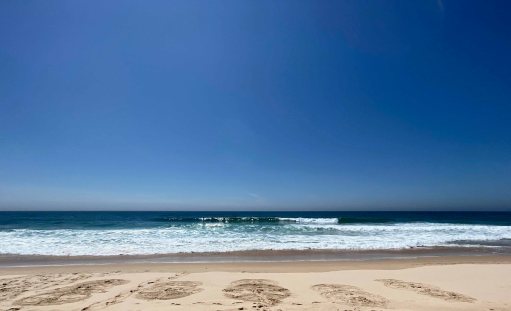
All five drawings in a line (it is difficult to take a picture of this as I am standing on the same level as the drawings)

I am trying to put myself in the place of a viewer, and believe that anyone walking past now would see these lines as drawings. They have a ritualistic, symbolic character, even if there is no clear meaning. Drawing in sand is very ephemeral, very soon the tide will rise and wash them away. That it is so easy to wipe them out is one of the main allures of drawing in the sand- the experience becomes light and playful, and a direct connection to the sensory feeling and the moment.


4.1 Found images

Aim: The aim of this exercise is to open up your mind to new possibilities in terms of understanding what line can be. So often, nature does it better. This is your chance to go out and look at how drawings reflect life, and at life drawings in the observed world.

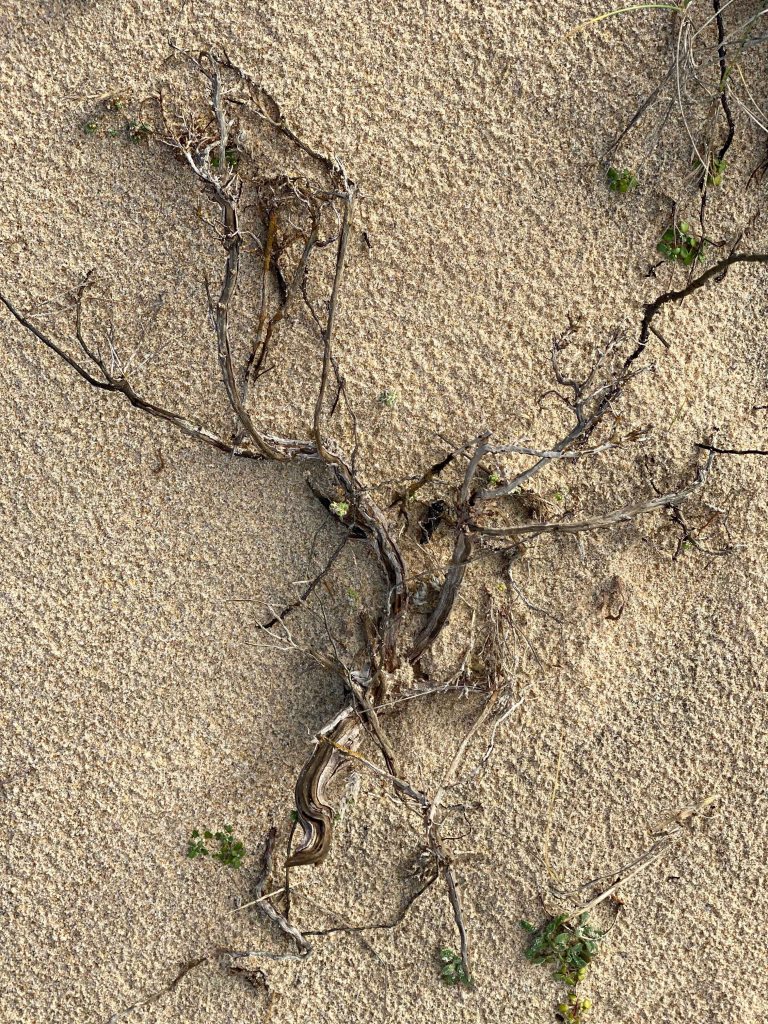
Method: Look for natural processes that produce a drawing, for example the opening of the gills of a mushroom to release its spores, the dropping of lily pollen, animals scratching against trees or footprints in wet mud. Even the silhouette of tree branches against the sky can be read as a drawing. Collect photos and sketches of nature’s drawings. If you prefer, you can do the same thing for industrial or urban processes.

Now this is a project that I absolutely love. I see lines and drawings everywhere. While lighting a fire, I see a drawing in the logs:

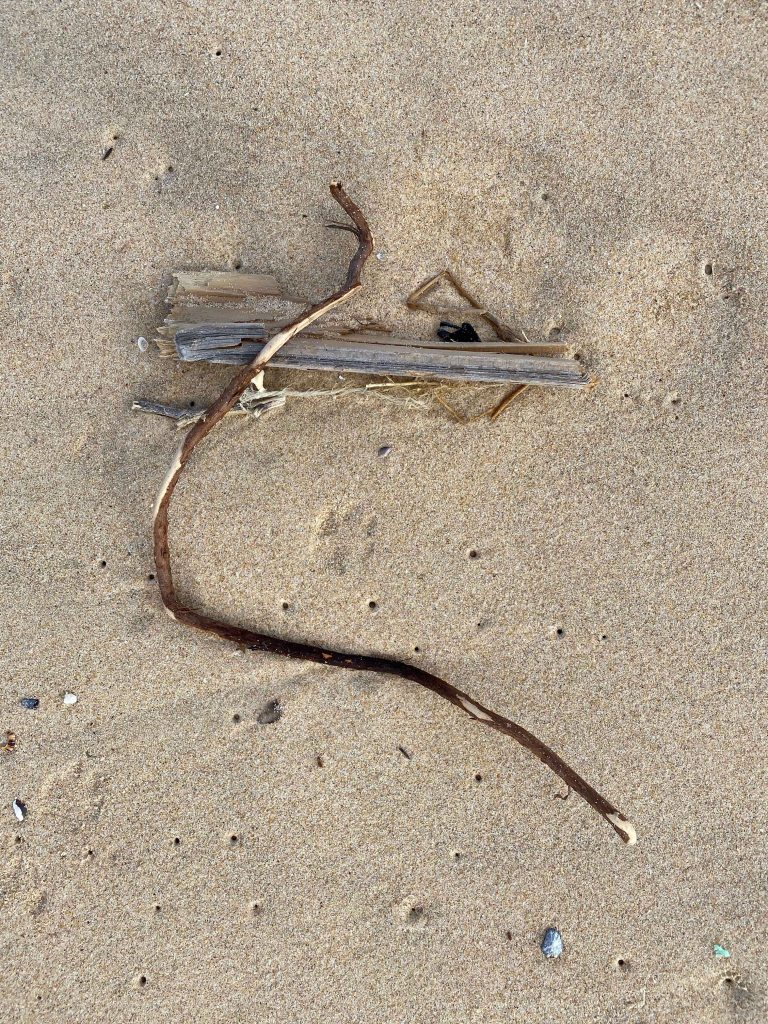
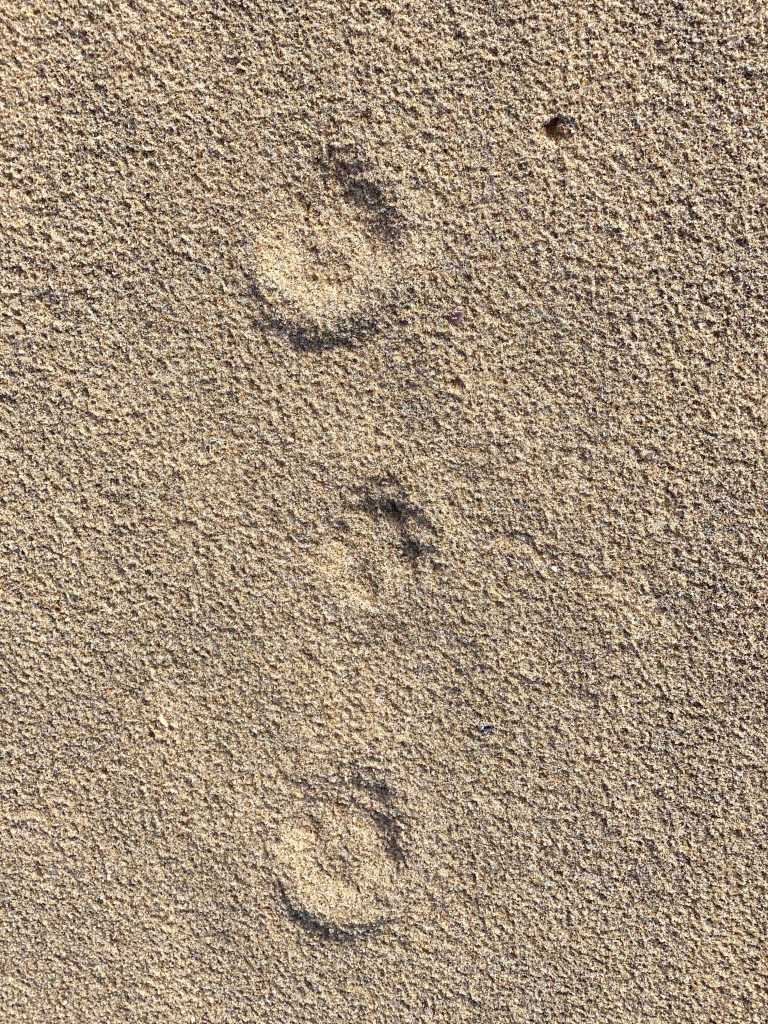
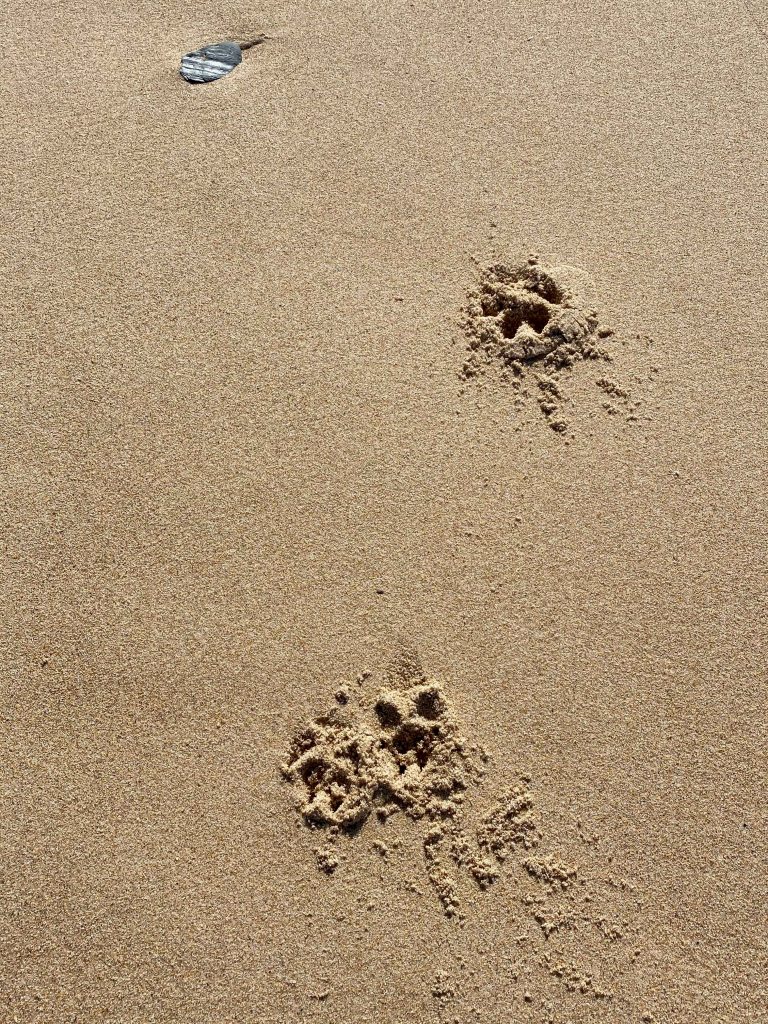
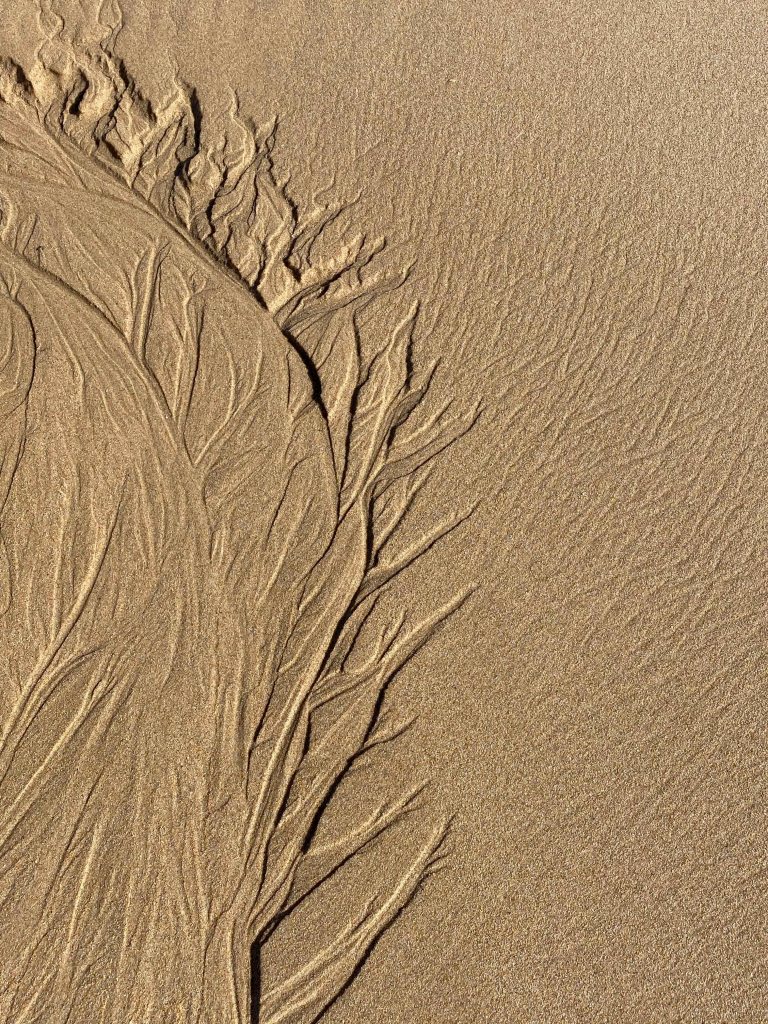
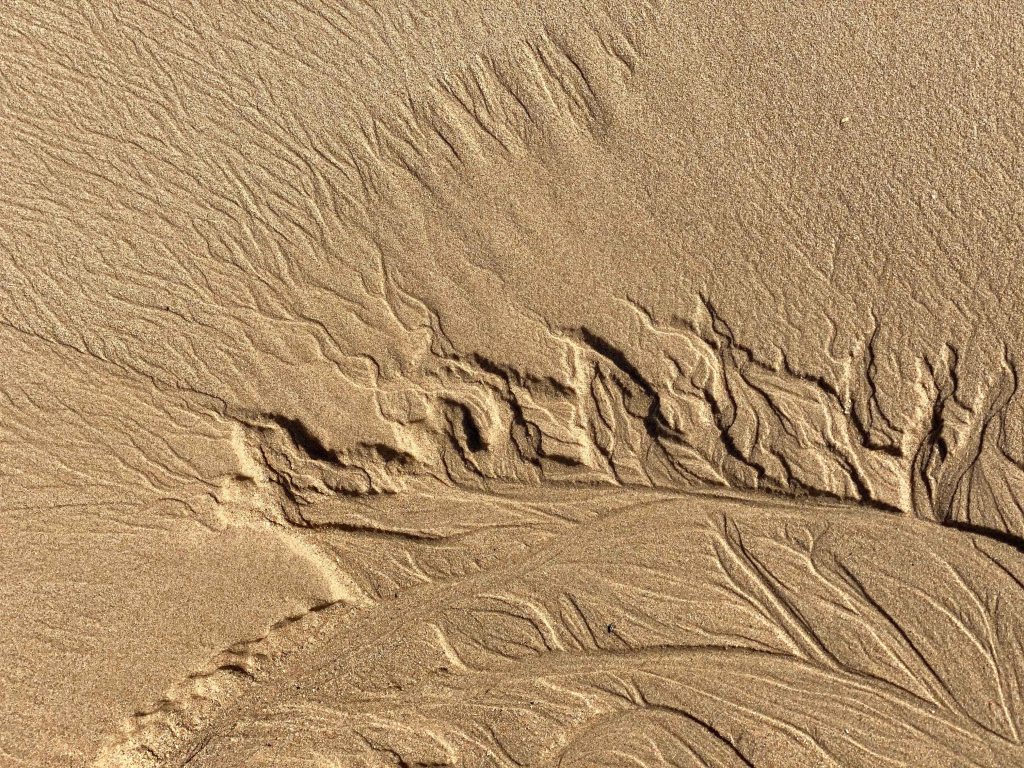
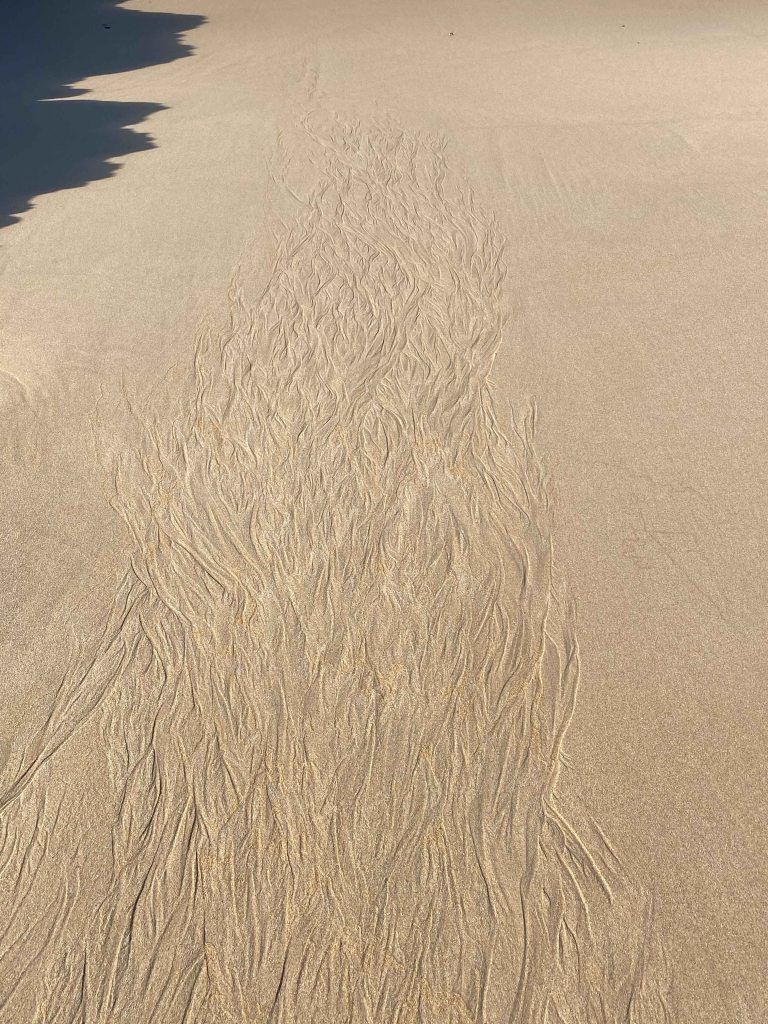
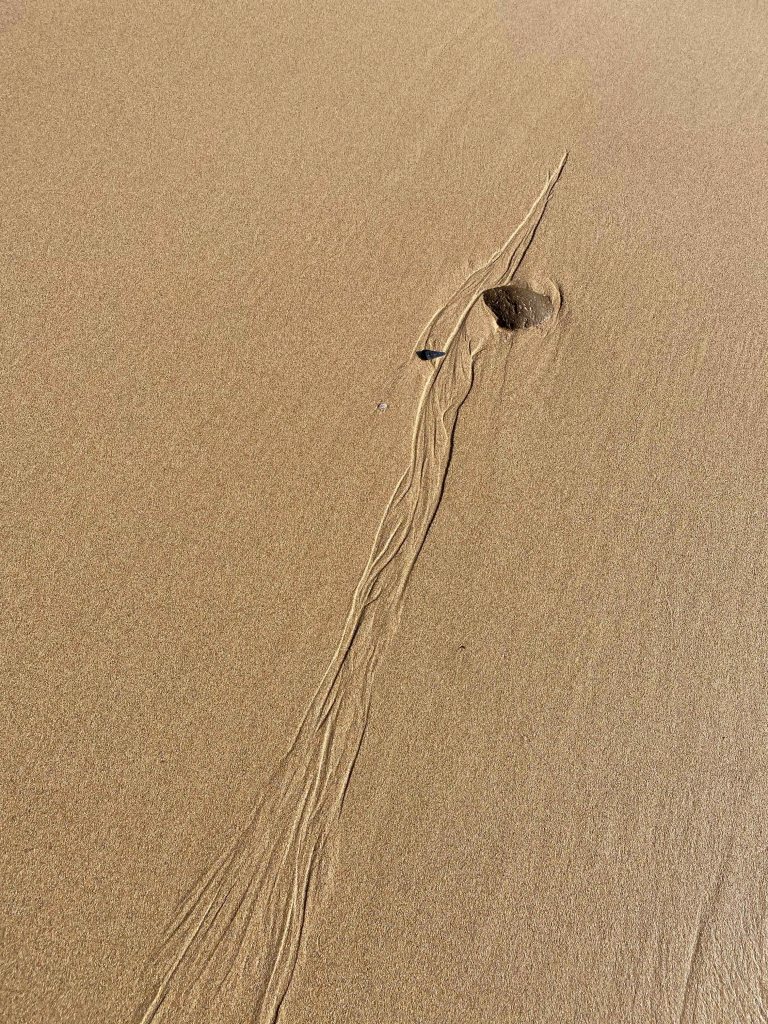
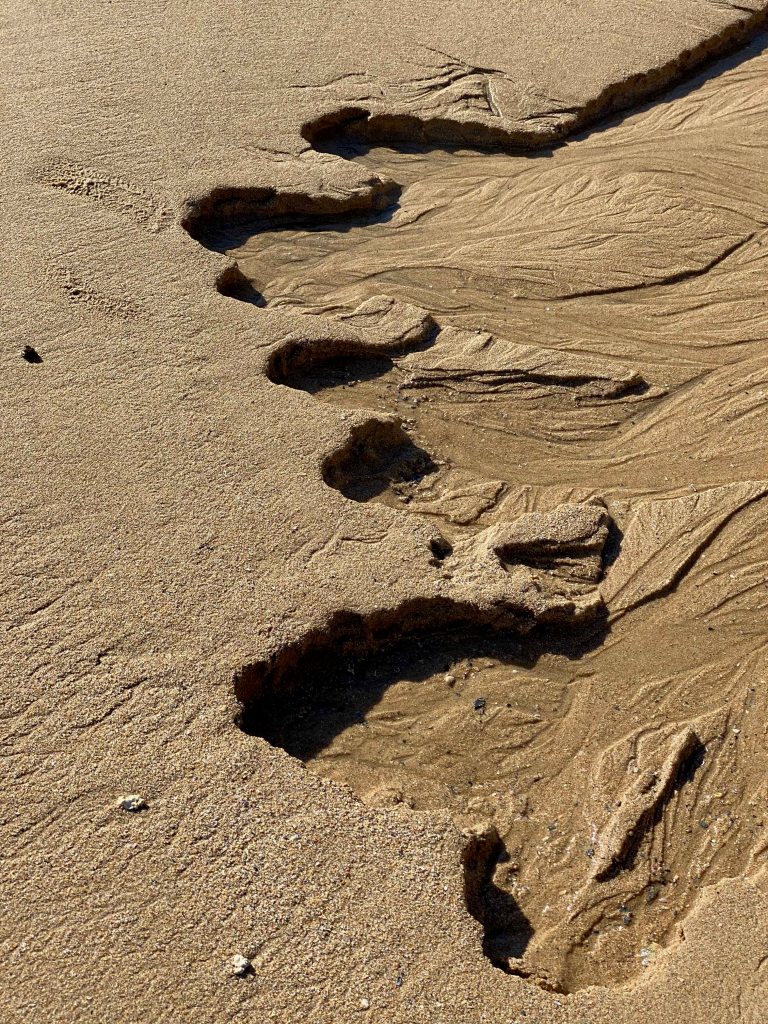
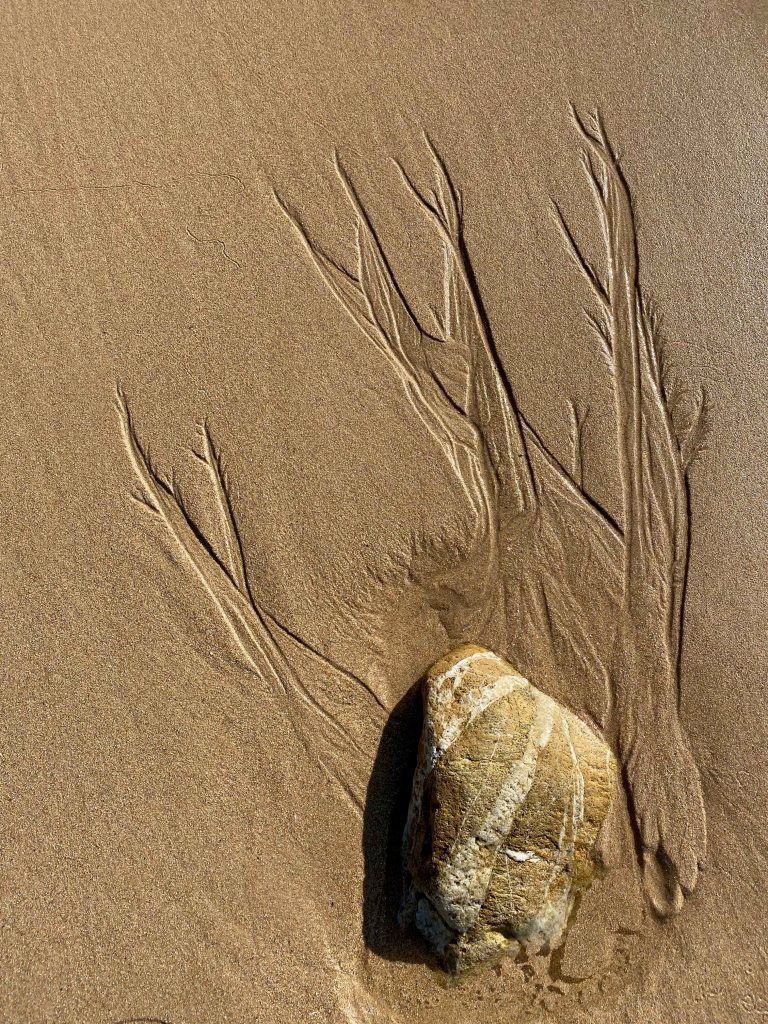
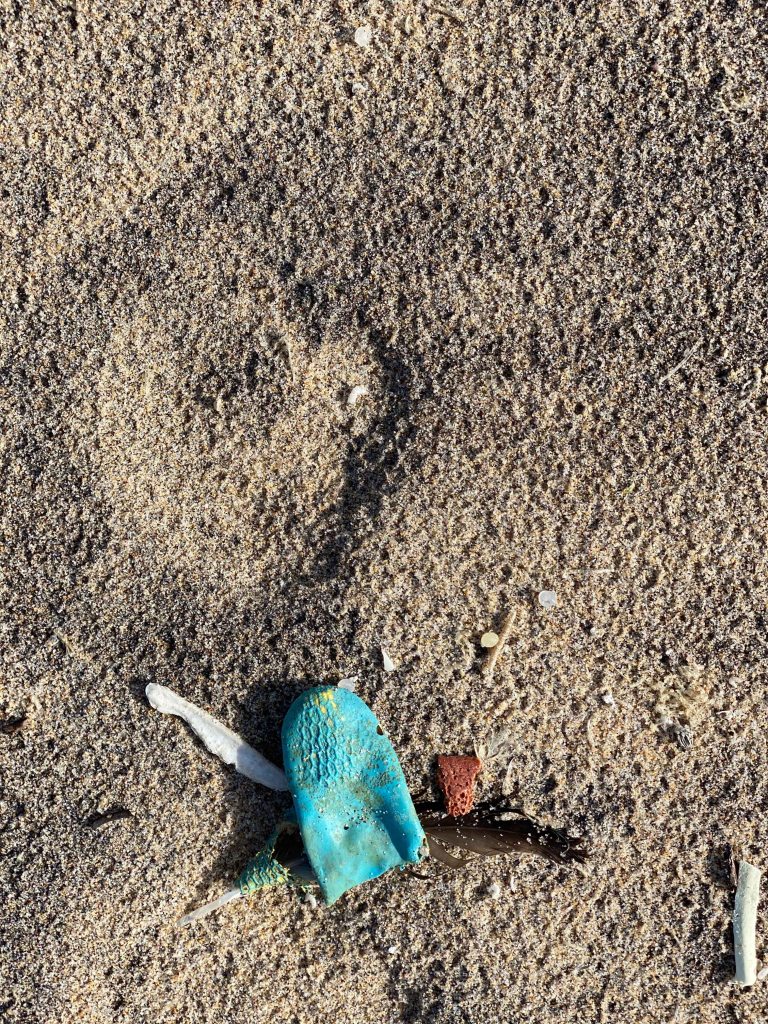
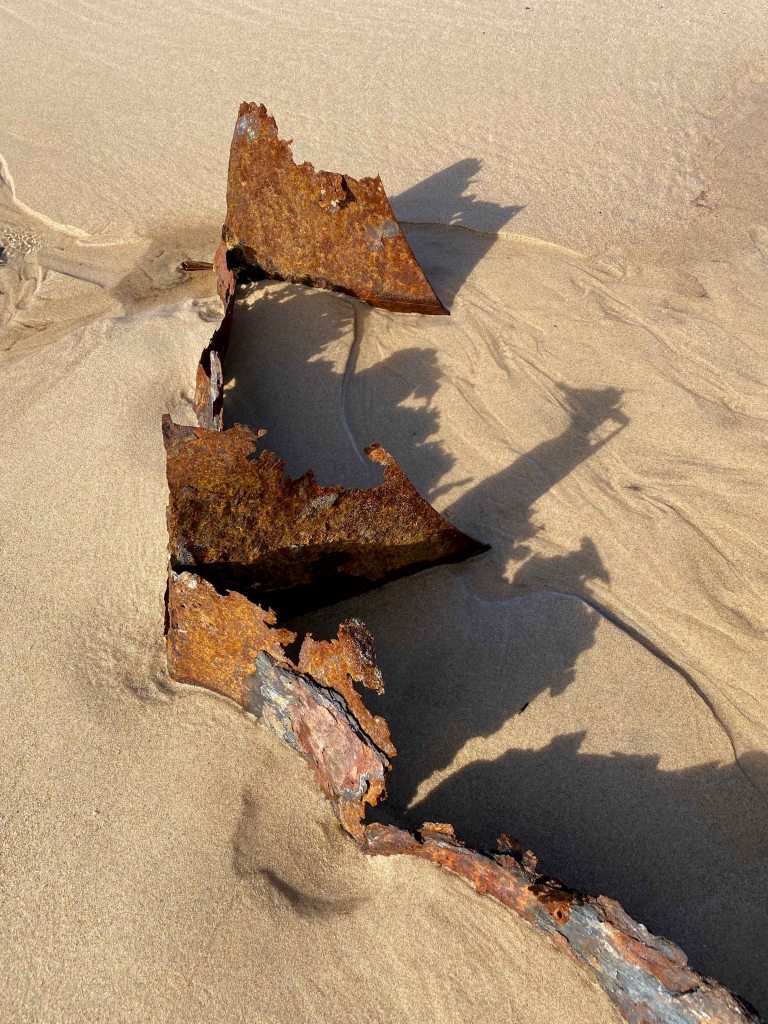
As it is finally, finally allowed to walk on the beach after a long quarantine, I immediately set off. The traces in the sand and debris washed ashore show endless possibilities of lines- thin delicate lines, thick, messy lines:

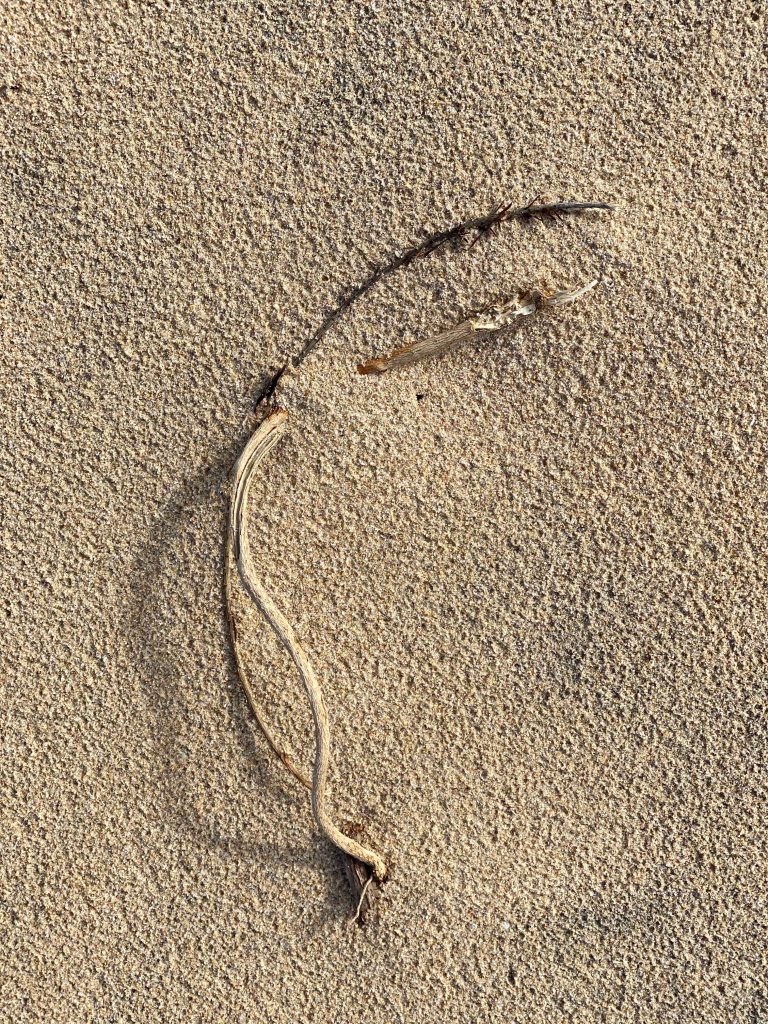
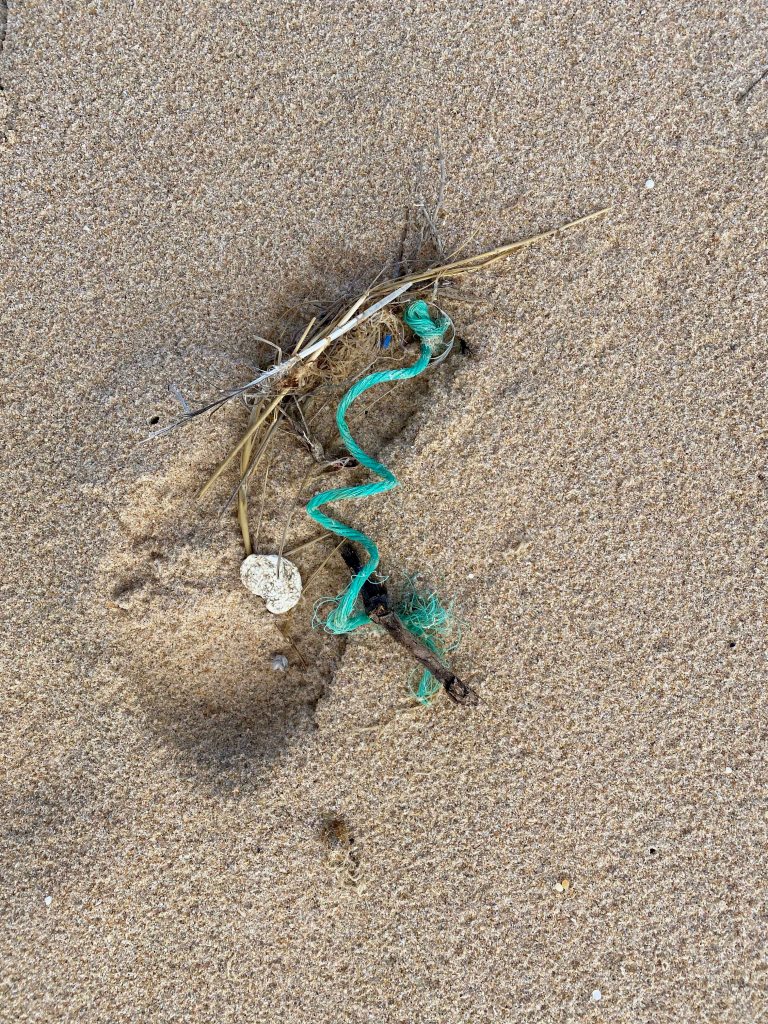
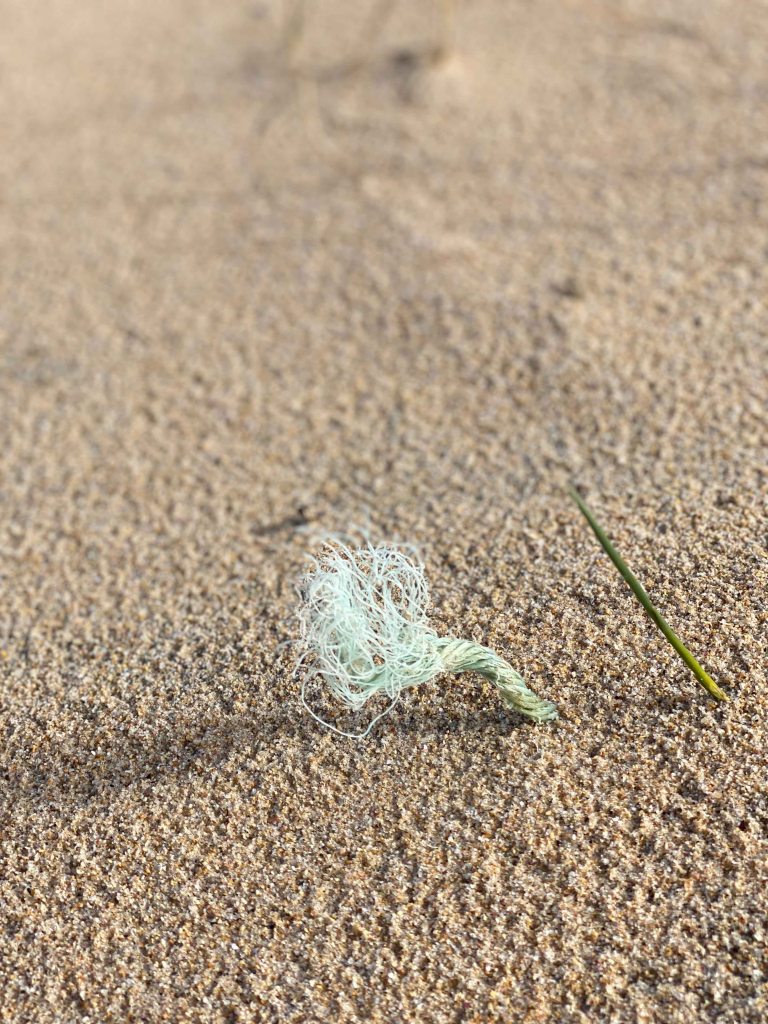
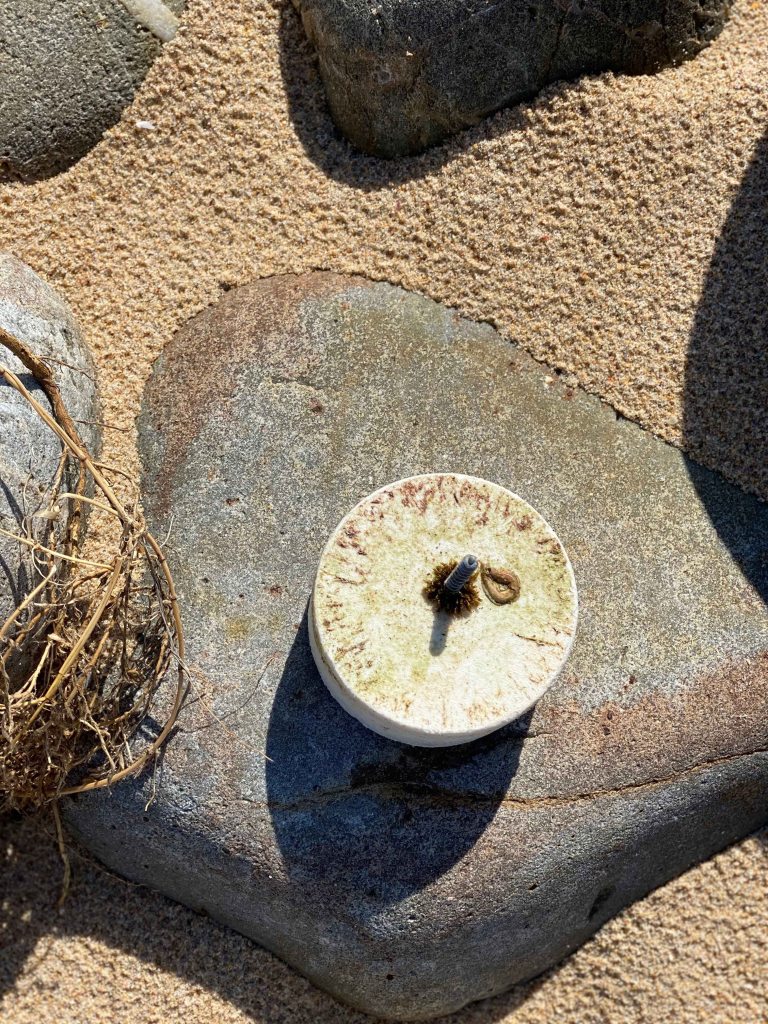
Washed up on the sand, a mixture of man made debris and sticks and stones form new drawings:

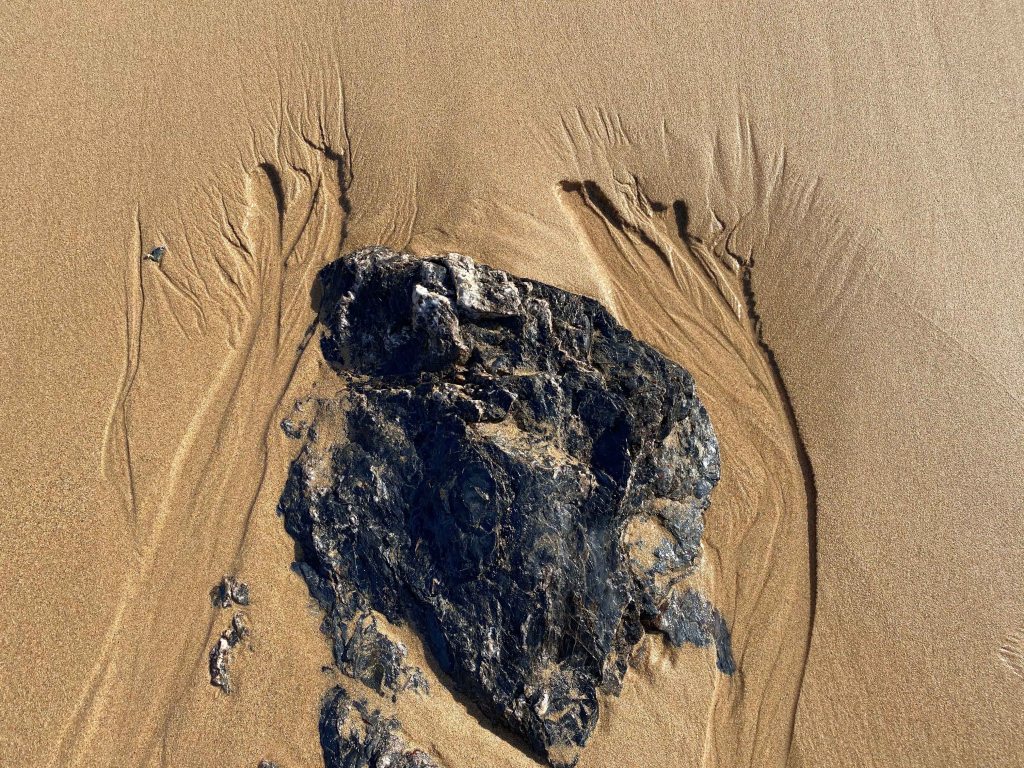
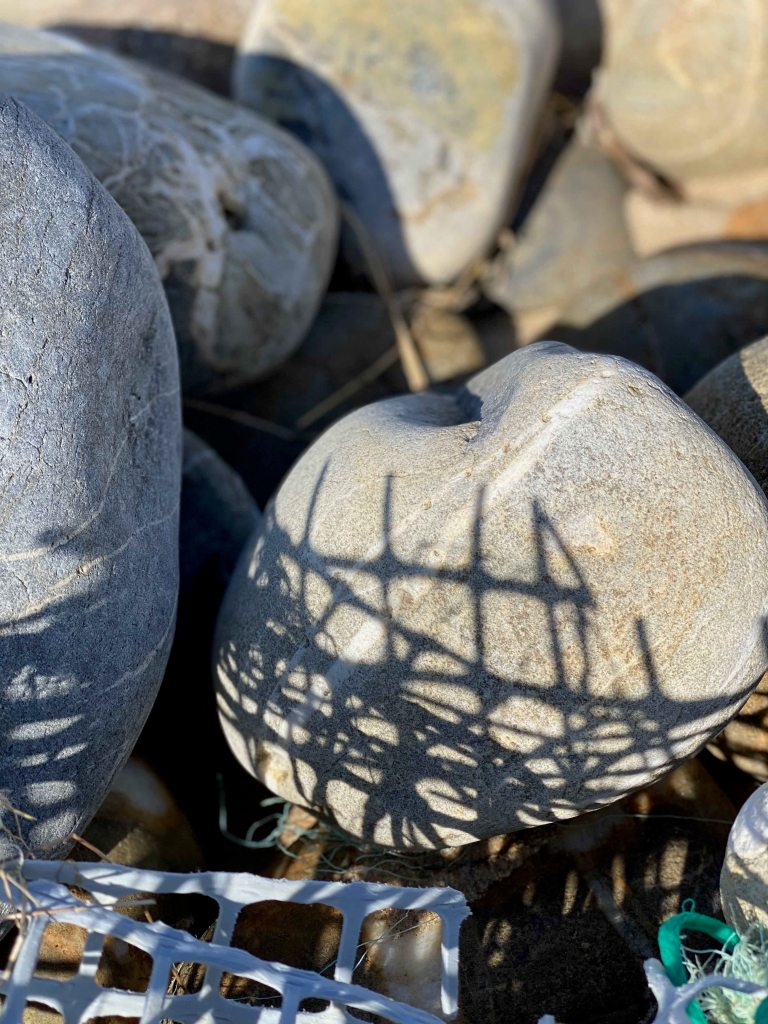
I also find drawings in the cracks and lines and patches on stones and rocks:

Nature really does it better!

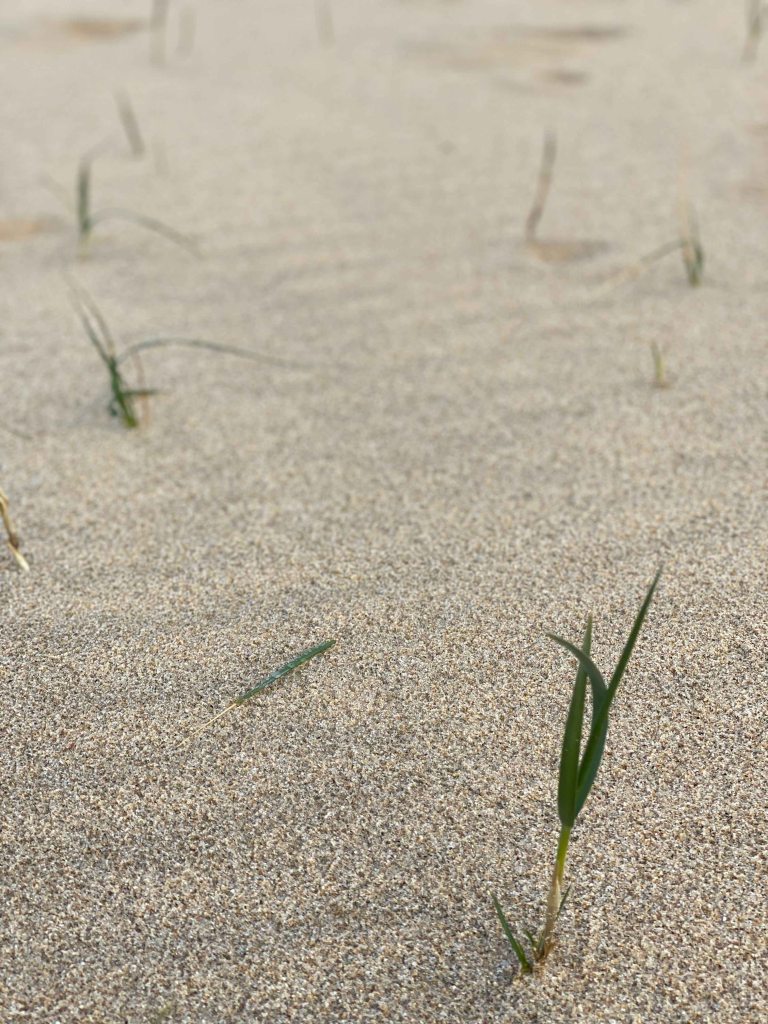
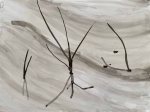
I use Indian ink and a thin brush to draw the lines formed by grasses sticking out of the sand and their sharp shadows in my various small sketchbooks:

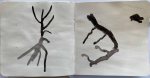
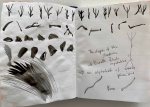
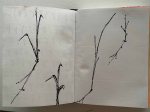
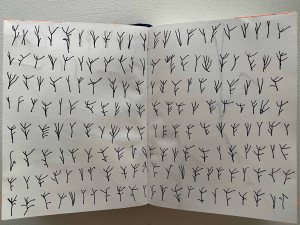
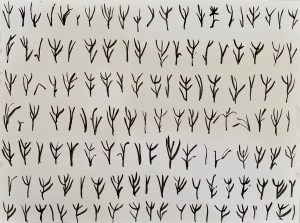
I have just looked at Pierrette Bloch’s abstract drawings and her repetitive use of line. I see how I can produce a collection of grass straws in a similar drawing. This is a first attempt in my A5 sketchbook:

The various shapes of grass presented like this in the form of a chart, become a new alphabet, a new language. I refine the shapes in a drawing on A4, in Indian ink:

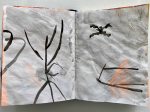
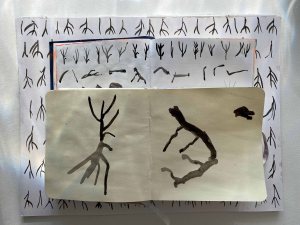
When I place the sketchbooks in a pile, I see another pattern emerging:


Parallell project- Lampshades

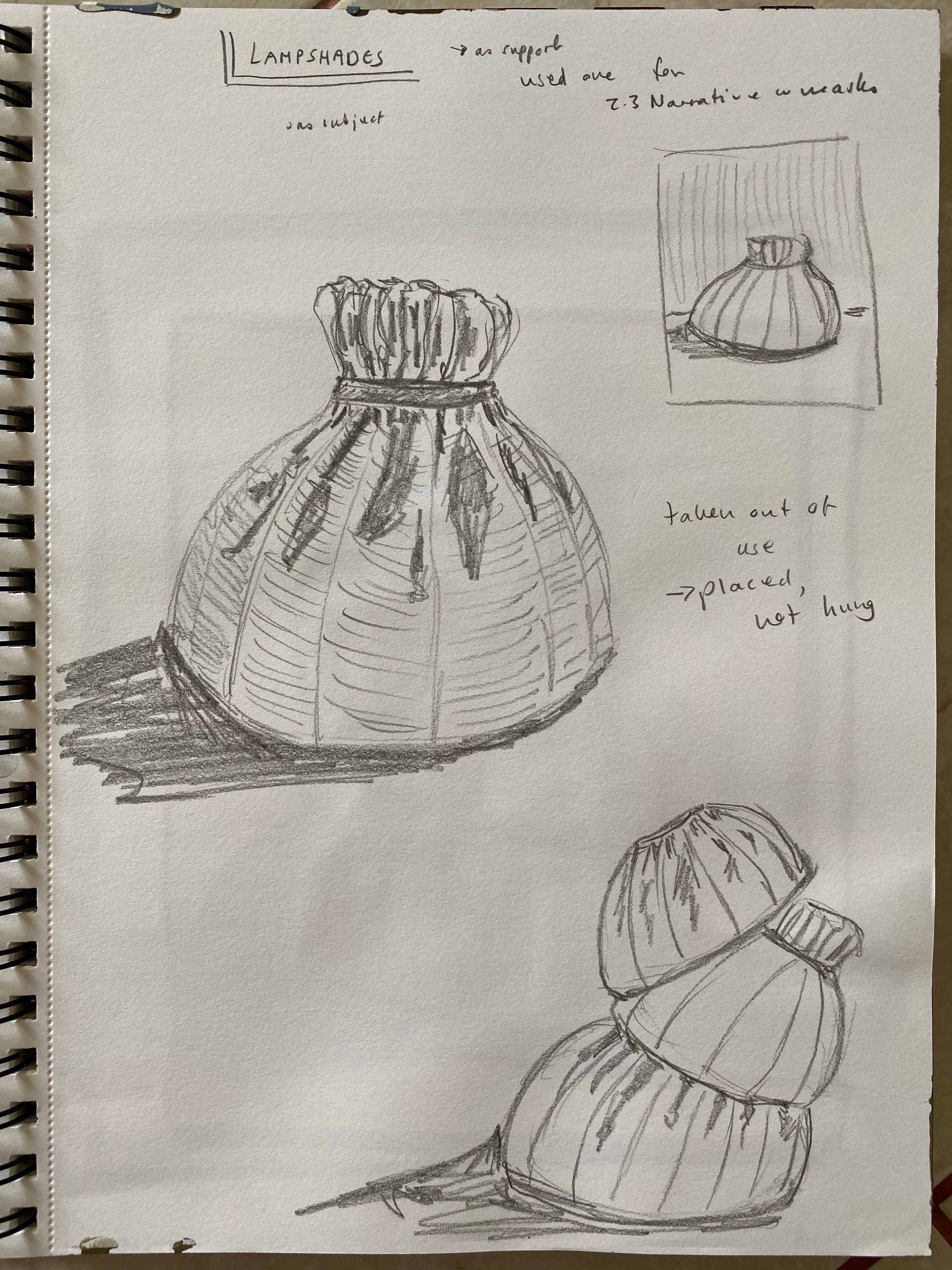
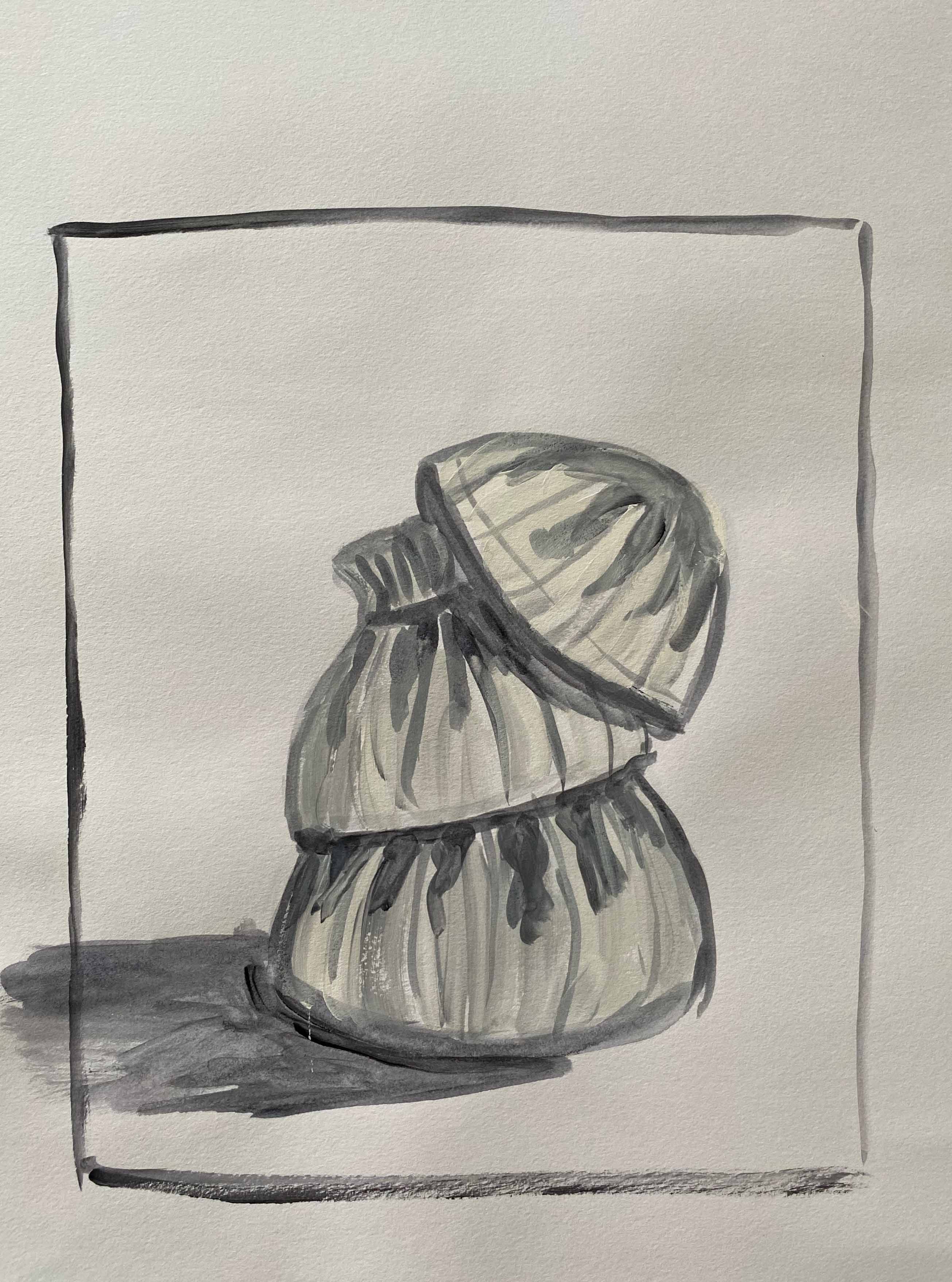
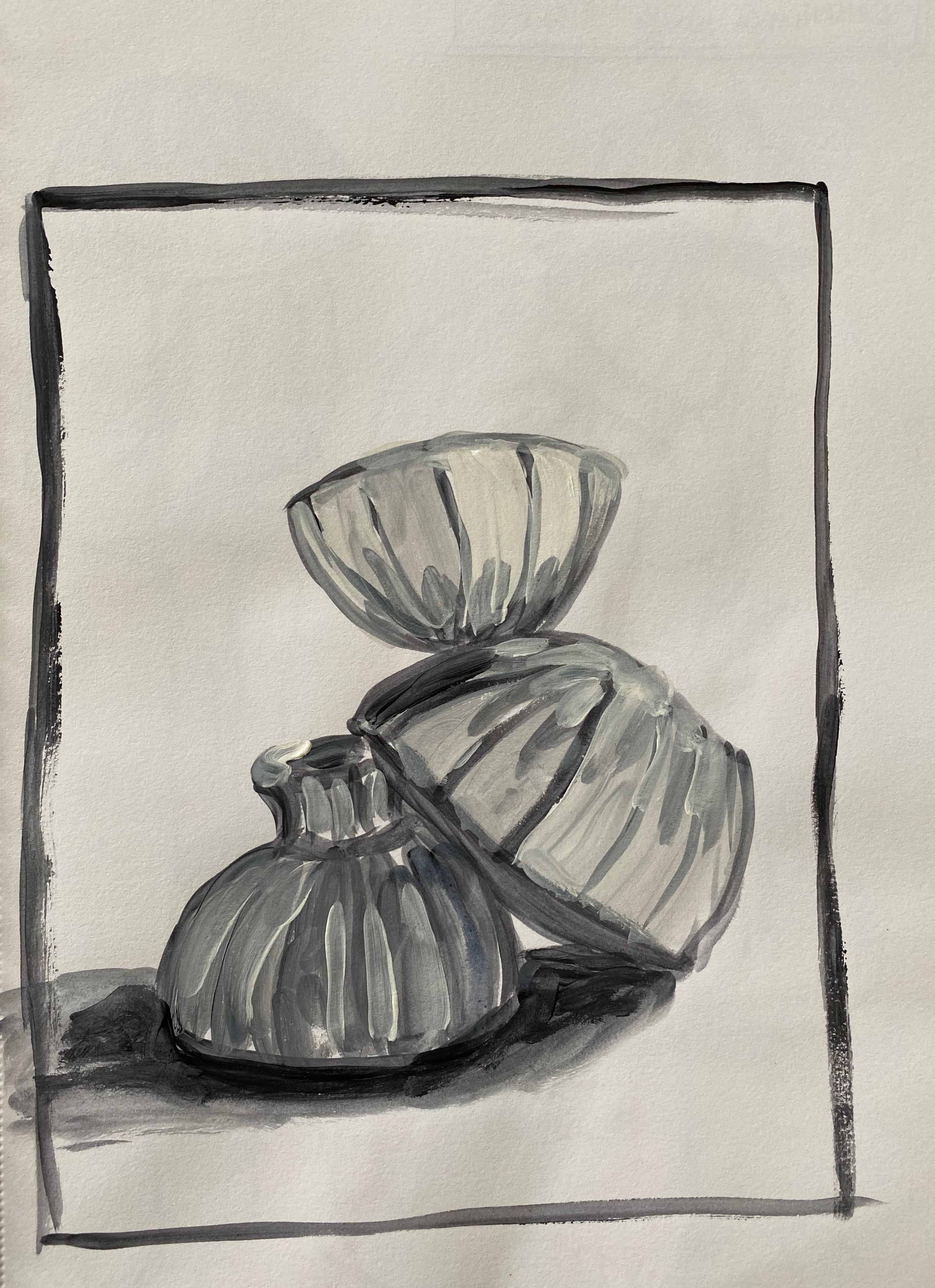
In some of the rooms, a solitary lampshade was left dangling when we arrived here. I have collected them and planned to use them both as a support to paint on and as a subject for still life.

They first appeared in Part 3, Project 2, Experiments with mark-making:

And I used one as a support for a fun way to close my rather dark drawings with masks  in 2.3 Narrative:

I am now arranging the lampshades in various ways for still life, piling them up instead of hanging them to take them out of their context.

Pencilsketches A4:

IMG_6484

Sketches in Payne’s grey and Titanium White acrylics, A4:

IMG_6489

IMG_6492

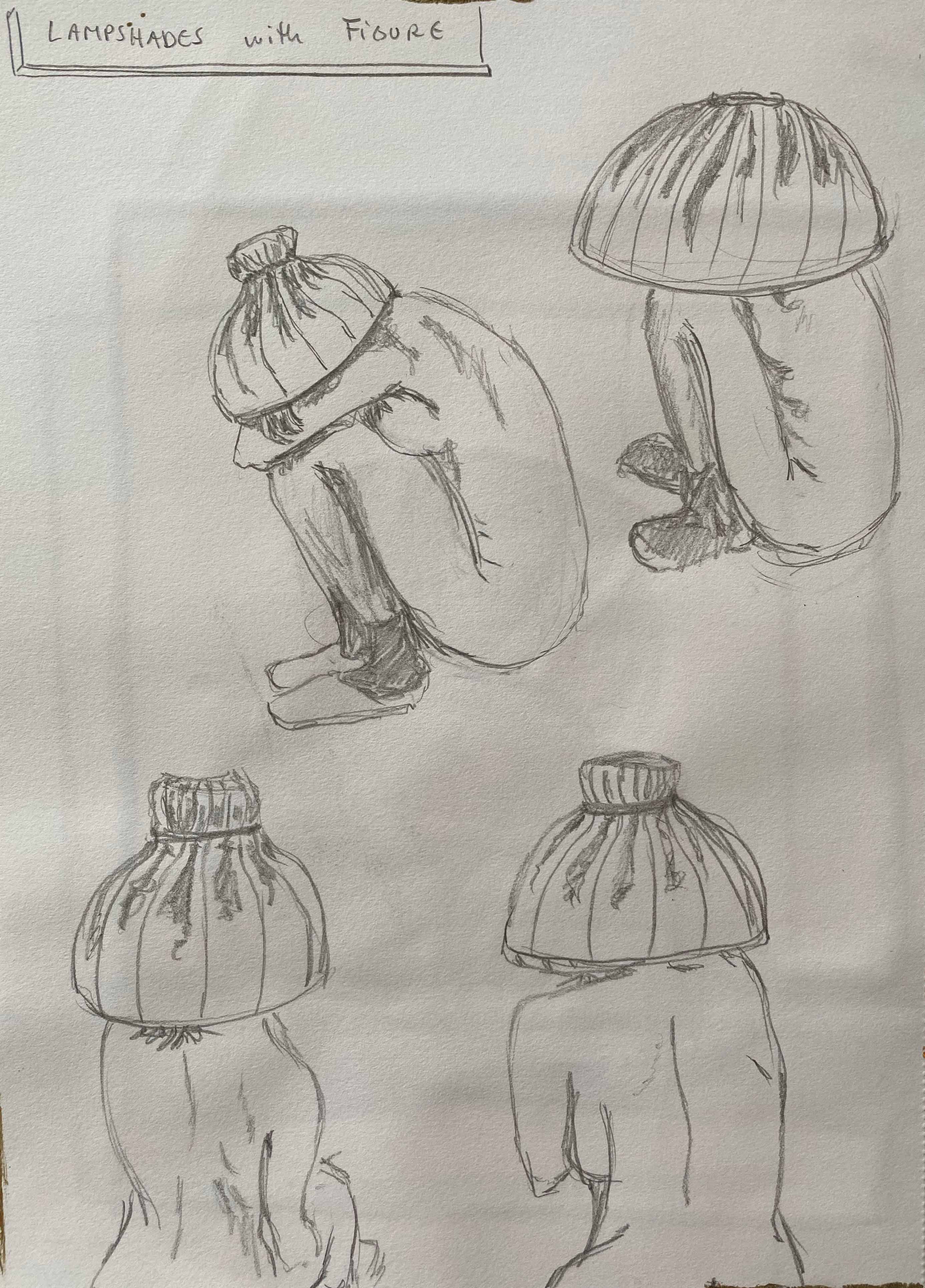
I like these shapes and see that they have potential, but it is when I imagine to include the figure that I really start getting excited about this subject.
One advantage with the Covid 19 lockdown, is that my daughter and granddaughter have time to model.

Pencil sketches A4 in sketchbook:

IMG_6496

IMG_6499

Sketches on the walls of “Parallel project- empty room, modern cavepainting” ( see separate post):

A4 sketches in acrylics with Indian ink:

IMG_6507

IMG_6510

IMG_6517

IMG_6524

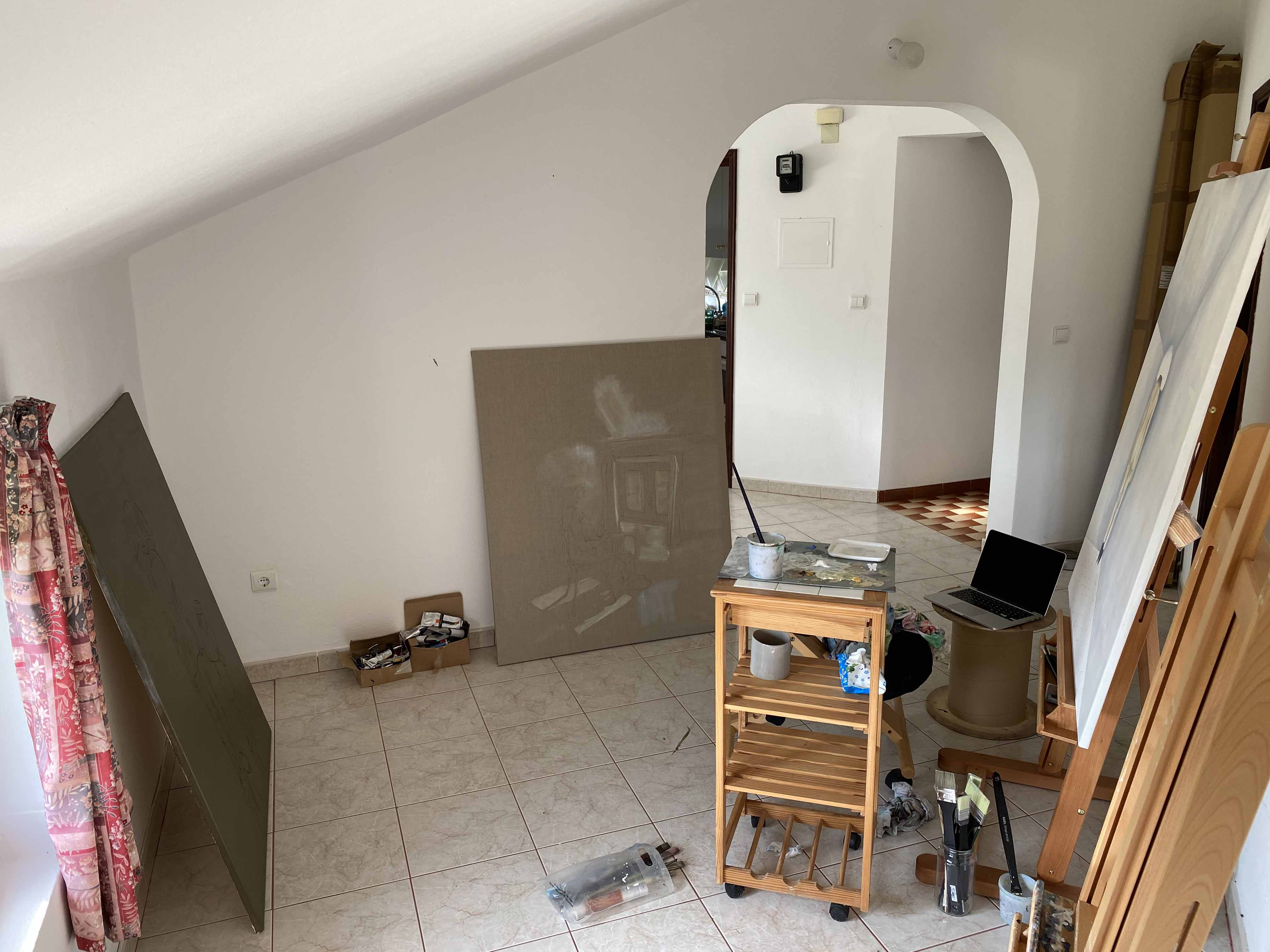
From here, I took a big leap to starting three big (100×120 cm) paintings in oil on canvas all at the same time:

IMG_5878

This is unprecedented. What is happening here is that I am making a very clear and loud statement to the universe that “I am going to paint!”. I spent the last 20 years doing very sensible things before finally starting, so I am not ready to stop. Being in a household where very suddenly we do not have any foreseeable income at the moment, could bring up different ideas, but no- I will food garden and renovate and babysit and work- and I will definitely paint- on big expensive canvases in oil even 🙂

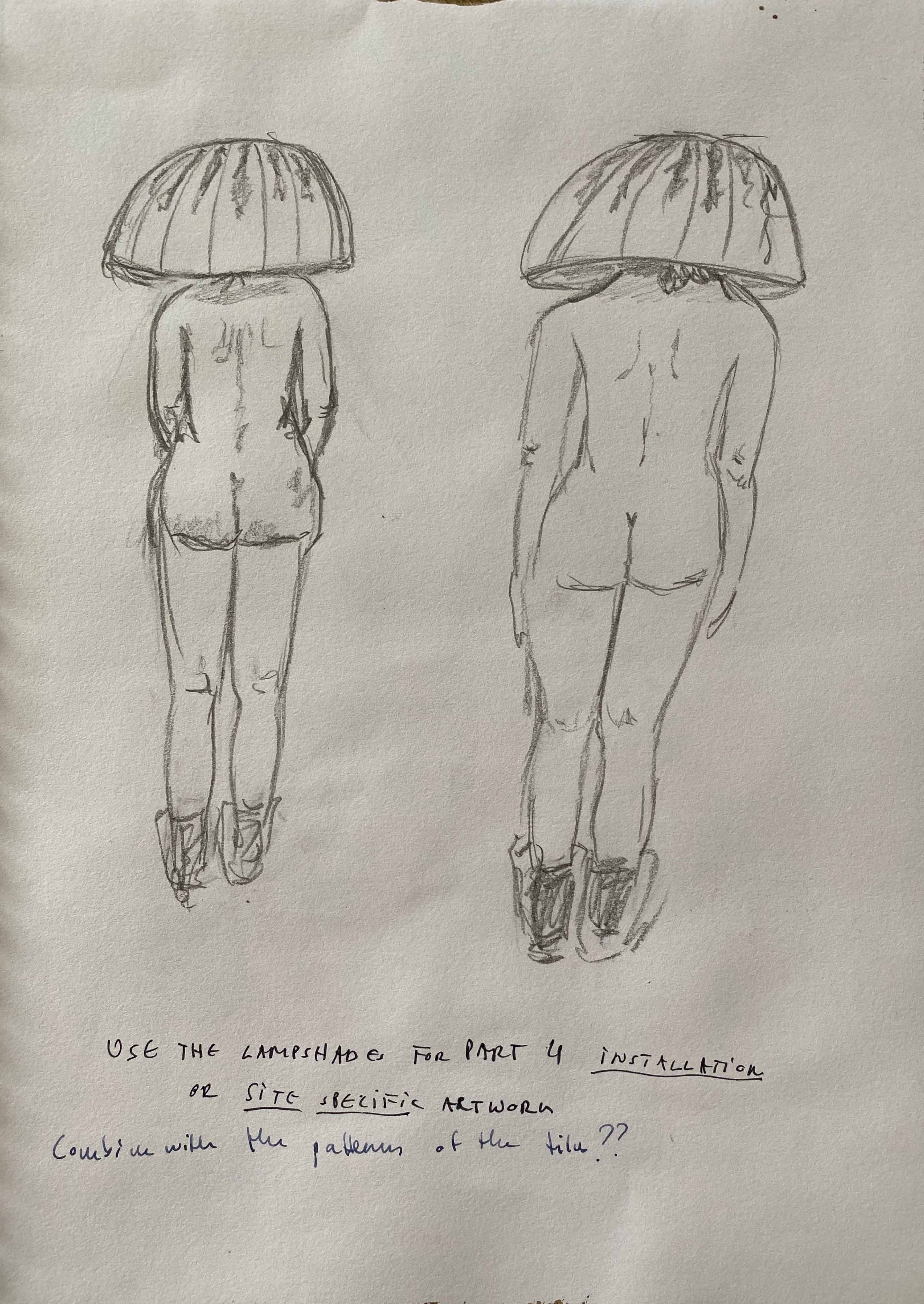
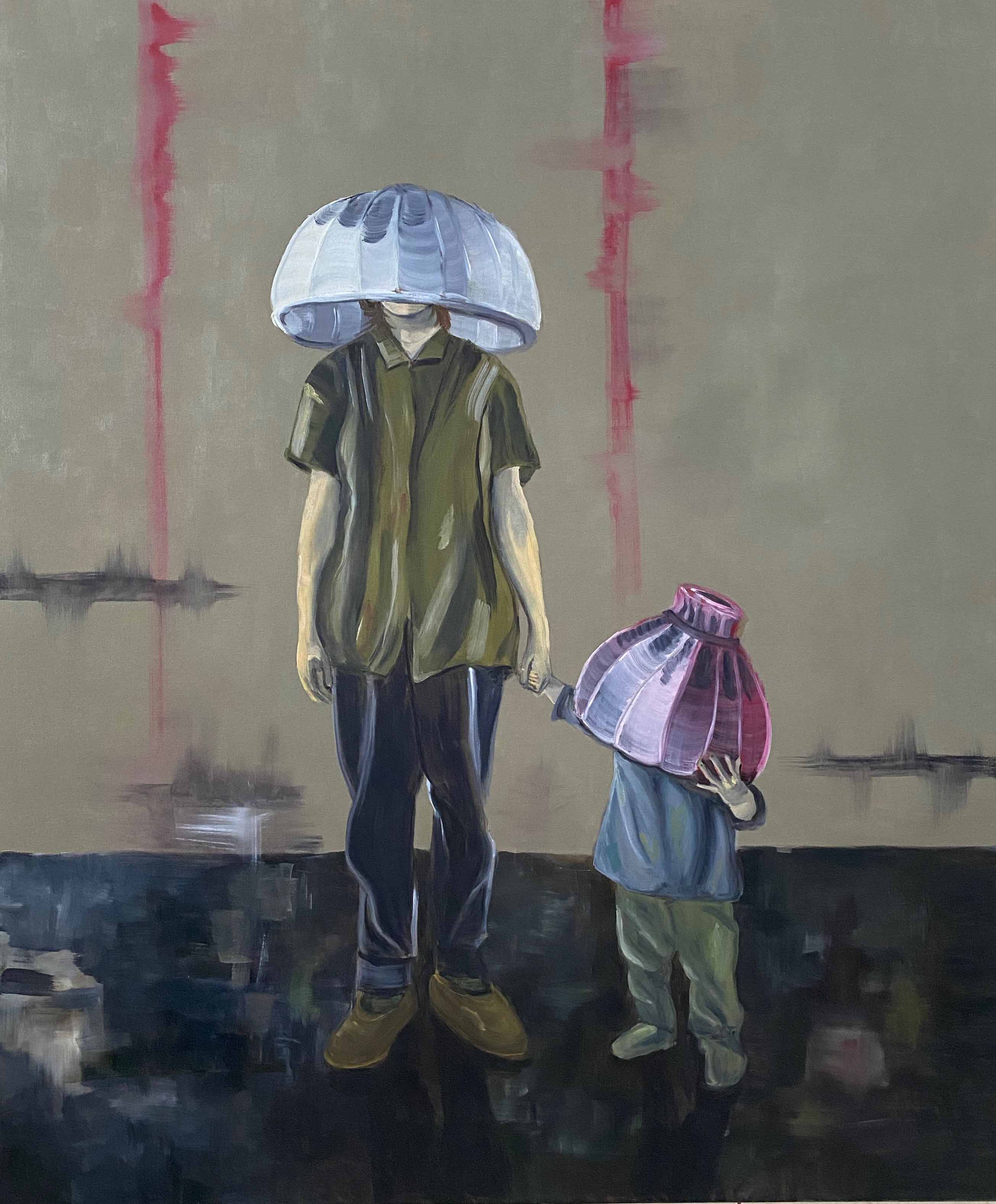
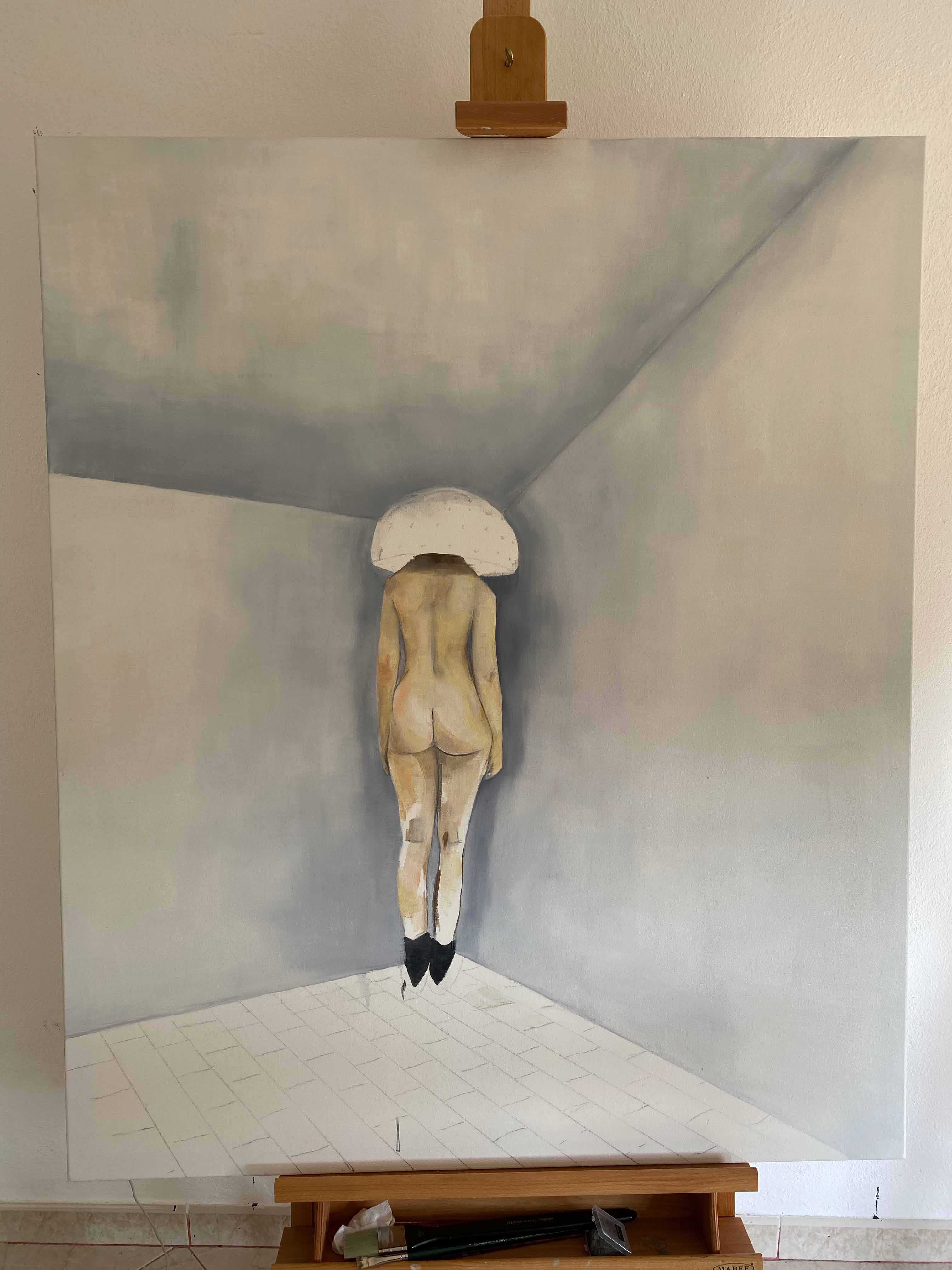
Letting my daughter and the little One wear the lampshades on their heads is a way I find to speak about a lot of the feelings coming up in these times. There is the feeling of not seeing where we are going, or even standing in front of a wall. There is an element of hiding as well. In one motive, my daughter poses nude, emphasizing the vulnerability of the now. In the other, where I photoshop my daughter and granddaughter together before painting them, they are wearing the soggy casual sweatpants that I see almost every day.

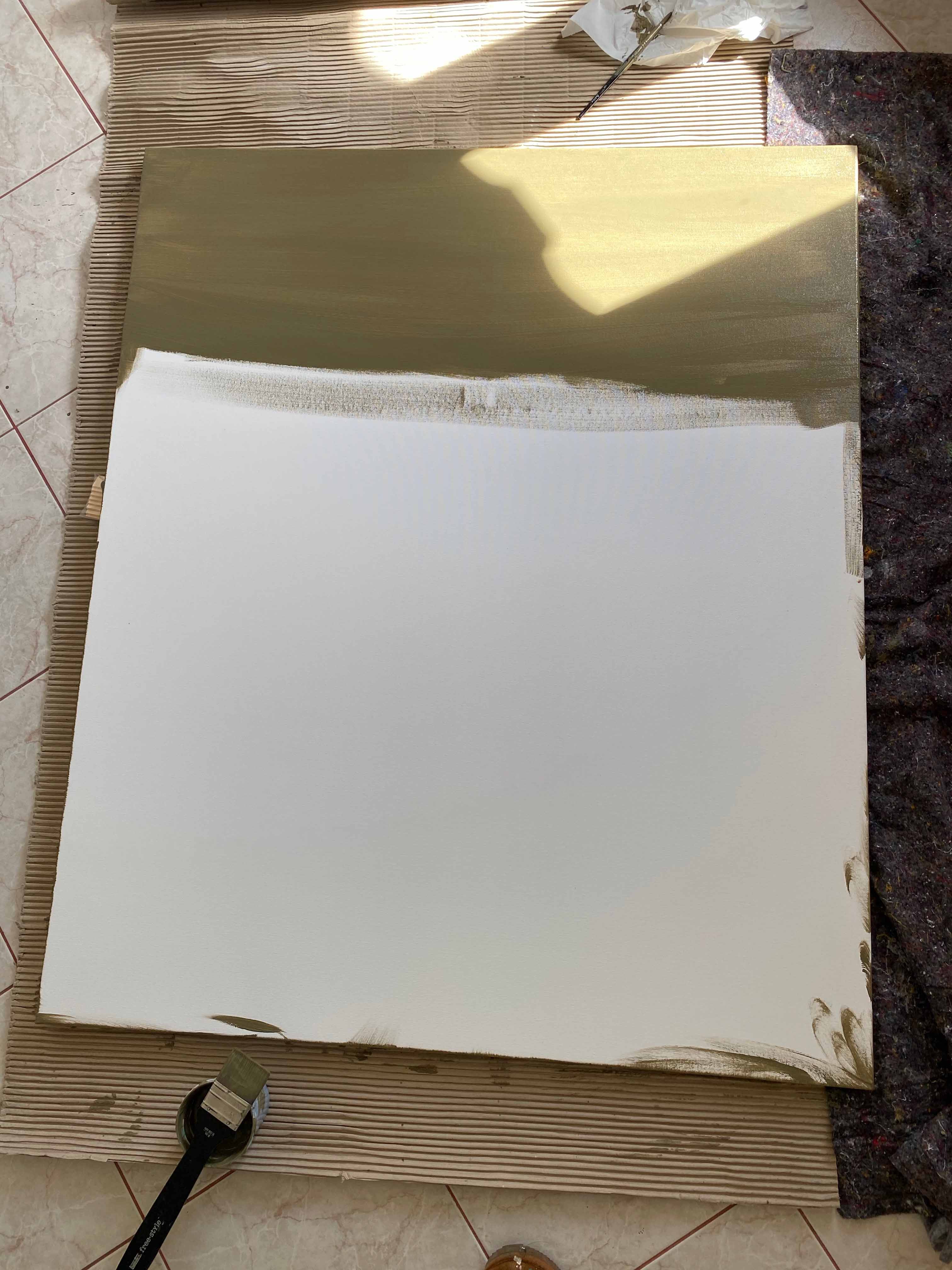
I start by covering a white canvas 100×120 cm with a military green acrylic coat.

IMG_5704

Once starting in oils, I struggle for a really long time with the background. I have the idea to use a camouflage pattern, but then smudge it, so it is a camouflaged camouflage pattern.


I try this is many unsatisfying ways.

Finally I cover up the whole background with a rather monotonous military green in oil, similar to the acrylic background I started out with 2 days prior. The red stripes just happened, after I listened to a podcast about statistics on Soundcloud, which had similar wave patterns.

I am using a big flat brush all along for the figures, to avoid overworking.

This is the final painting.

IMG_6152

I call it “Spring Summer 2020” like a fashion collection. I really like this painting myself. It shows the mixture of humor and fear I feel at the moment and I have captured something very personal in both my daughters and granddaughters postures that make them recognizable to me even with their heads covered.  I also like that this painting connects us and our unplanned time here all together with some of the odd old elements of the house that I connect to this parallel project- the lampshades.

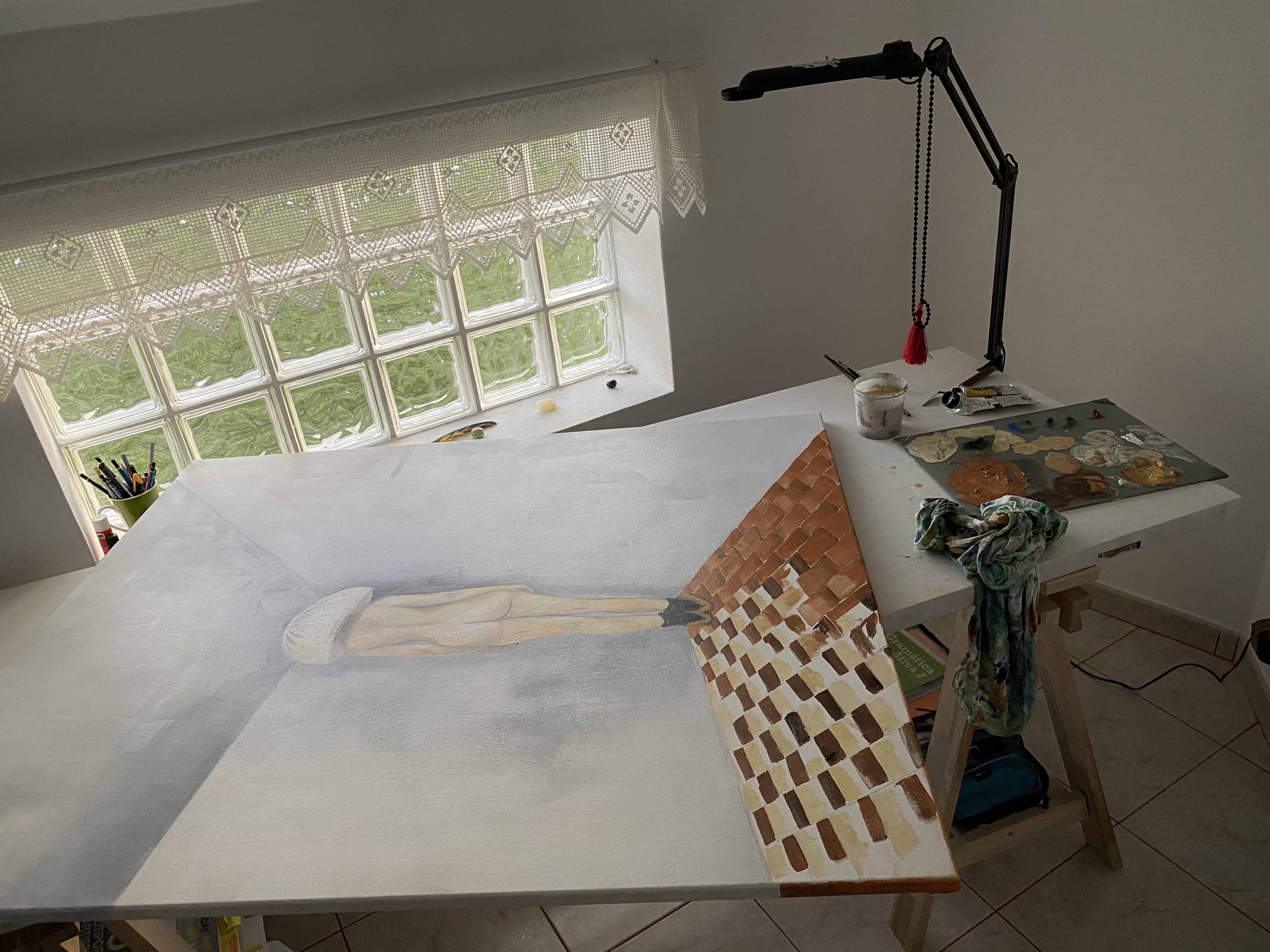
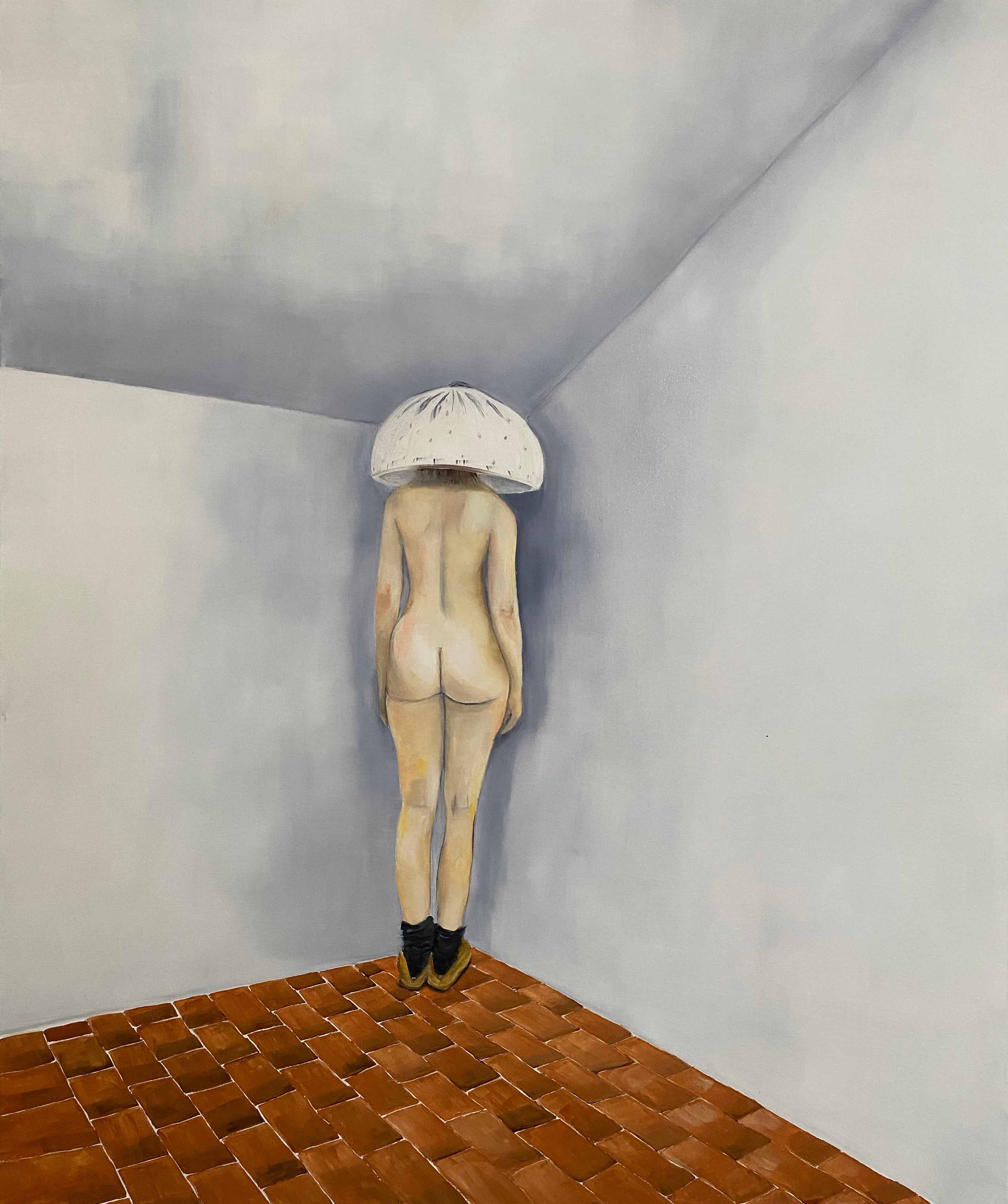
The second painting is a nude with lampshade. I choose to paint this much more carefully and try to achieve the right flesh tones. I find that the more careful approach reflects the more vulnerable feeling of this painting.

IMG_5874

I placed her in the corner, feeling trapped or without direction. The walls are crashing down on her, there is no spaciousness. I hesitate long about what to do with the floor, but decide to paint brick coloured tiles similar to the ones that are really here, to have a solid floor, instead of letting her hover in something more grey or non distinct.

IMG_5914

These brickcoloured tiles could also be outside, which maybe brings more confusion to the painting, which I like.

This is the final painting:

IMG_5947

I am happy with the motive and the feeling this painting transmits, but I was too careful in my choice of colours and precious little brushstrokes. I enjoy a bolder approach more.

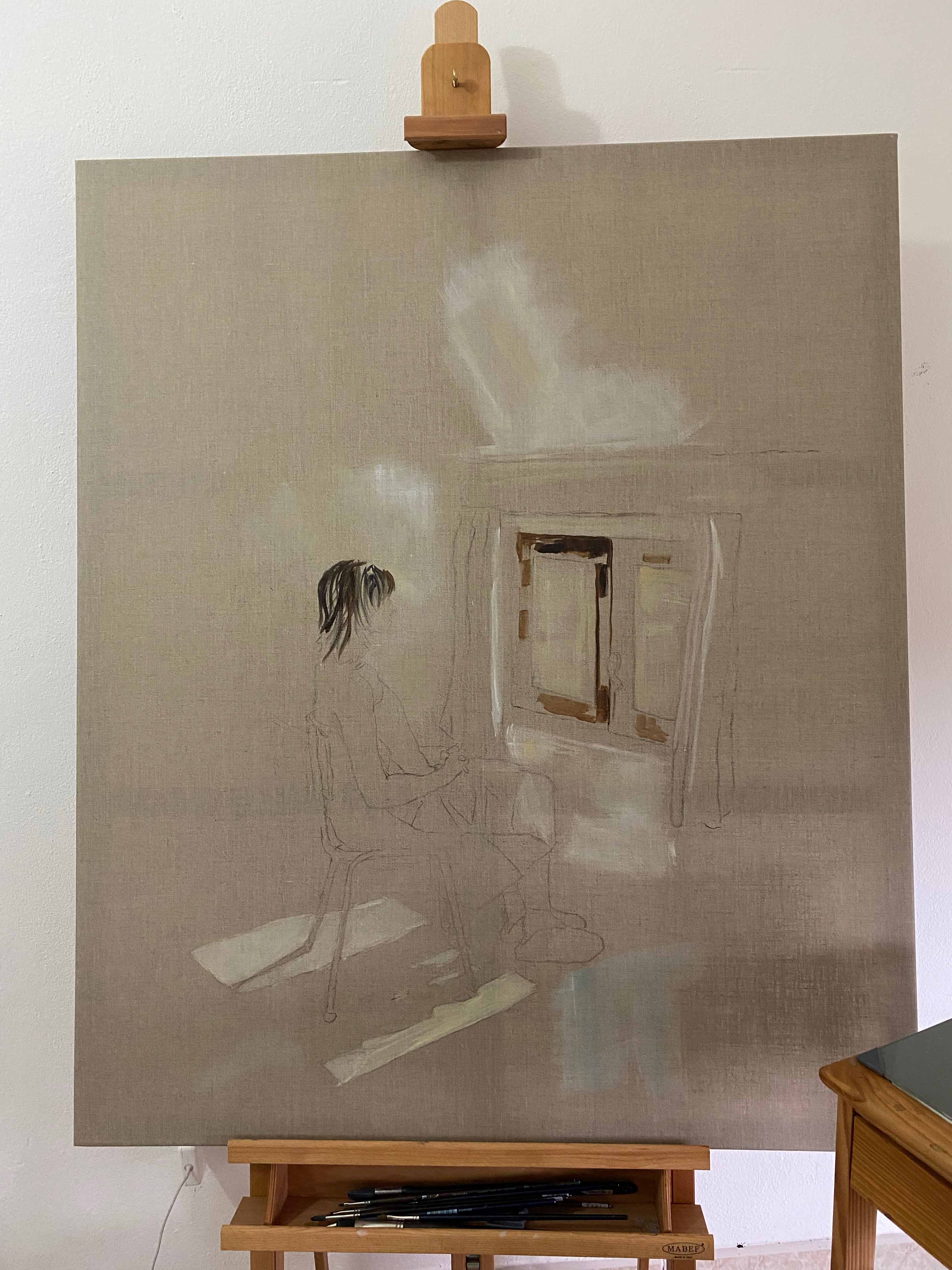
The last painting does not exactly belong to this post, as it has lost the lampshade. I place it here though because it is a part of the same experience and just a few photos before the one that I chose for this painting, Ria was actually wearing the lampshade, but I prefer to paint her longing expression.

IMG_4781 (1).jpg

In all three , Ria is also wearing the same slippers and socks- an allusion to this time closed in the house.

I have started this last painting on a linen canvas that I have stretched ( also a new experience.)

IMG_6076

I will post the painting here once completed.

At this point, I am just starting on Part 4 of the course, and can see how these lampshades may reappear in the project of Installation or maybe be used for the site specific artwork fro Assignment 4.

I also want to experiment further with using the lampshades as supports.

To be continued


Assignment 3

Course Manual: “Select a piece of music (preferably classical or at least rhythmically complex) and allow your movements to be affected or generated by it whilst producing a drawing. To begin with, generate your lines and marks solely in response to the music. After the first hour, develop this further. For example, you could introduce an observational element such as self-portraiture and begin to explore the interplay between gesture and representation. Alternatively you might decide to video yourself making the work to emphasise the performative nature of gesture.”

I always listen to music in my headphones when I draw or paint, often as a tool to close out other sounds from what is happening around me.

I do not think I have ever made a drawing solely as a response to the music though, without a pre-concieved idea.

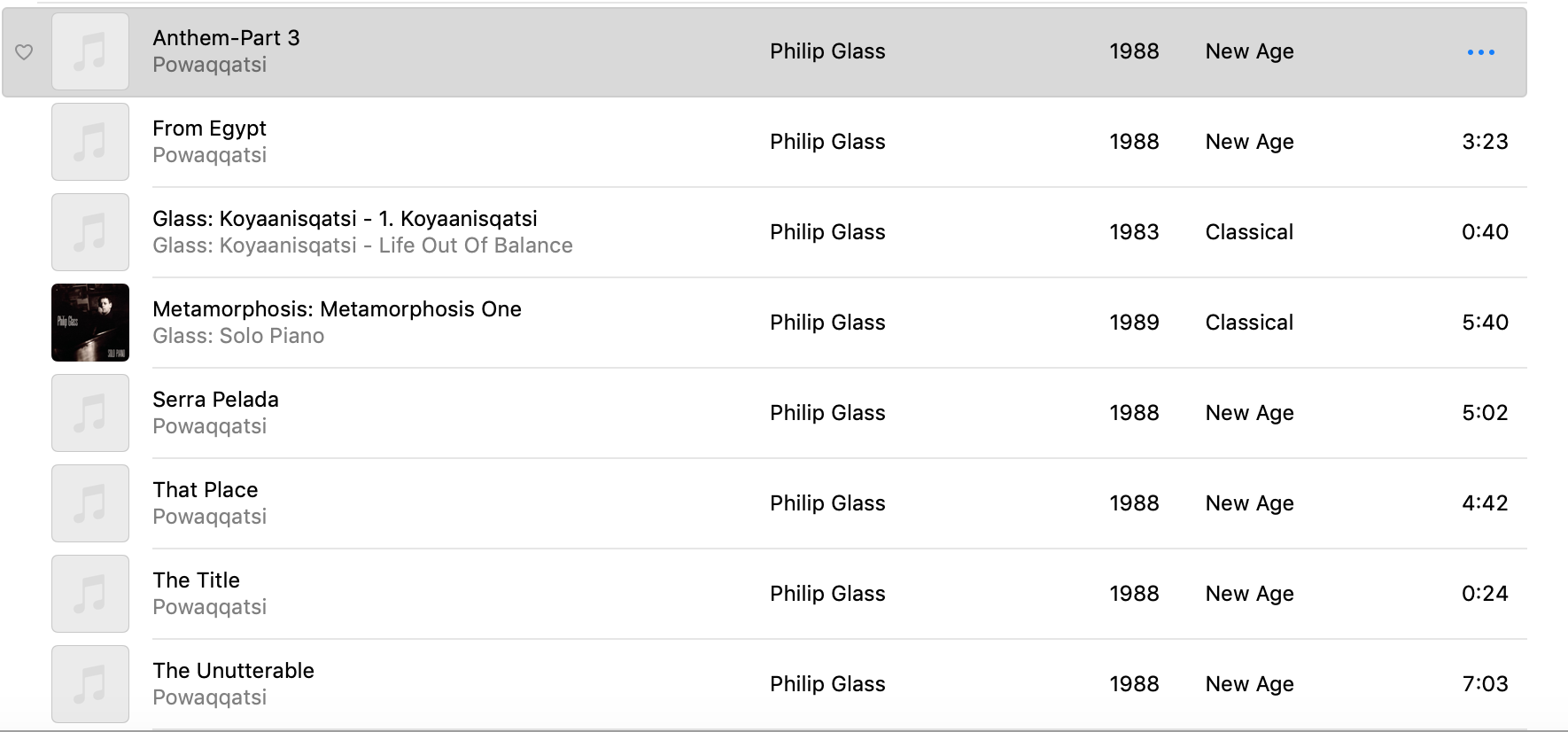
For this assignment, I created a playlist with music from Philipp Glass, mixed from the three albums Koyaaniqatsi, Solo Piano and Powaqqatsi. I choose this composer, as his music is definitely rhythmically complex and because it brings me through a very wide range of emotions with anything from very dark, hard stomping sounds, to light flute or calming piano. This is the playlist:

Screen Shot 2020-04-18 at 1.52.15 PM

Screen Shot 2020-04-18 at 1.52.54 PM


The whole is a few minutes over one hour long, and I plan to play it twice. The first round, I will just draw wildly, mainly keeping my eyes closed and really letting myself go and just feel the music. The focus will be entirely on the process. Then after that first hour, I will step back and see if I can pick out any figurative elements in the drawing. Then, I will listen to the same playlist again for the next hour, accentuating those figurative elements, while still moving to the music and letting the music inform my marks.

I start with a few test marks on approximately A2 papers while listening to the beginning of each song to see what materials feel appropriate.

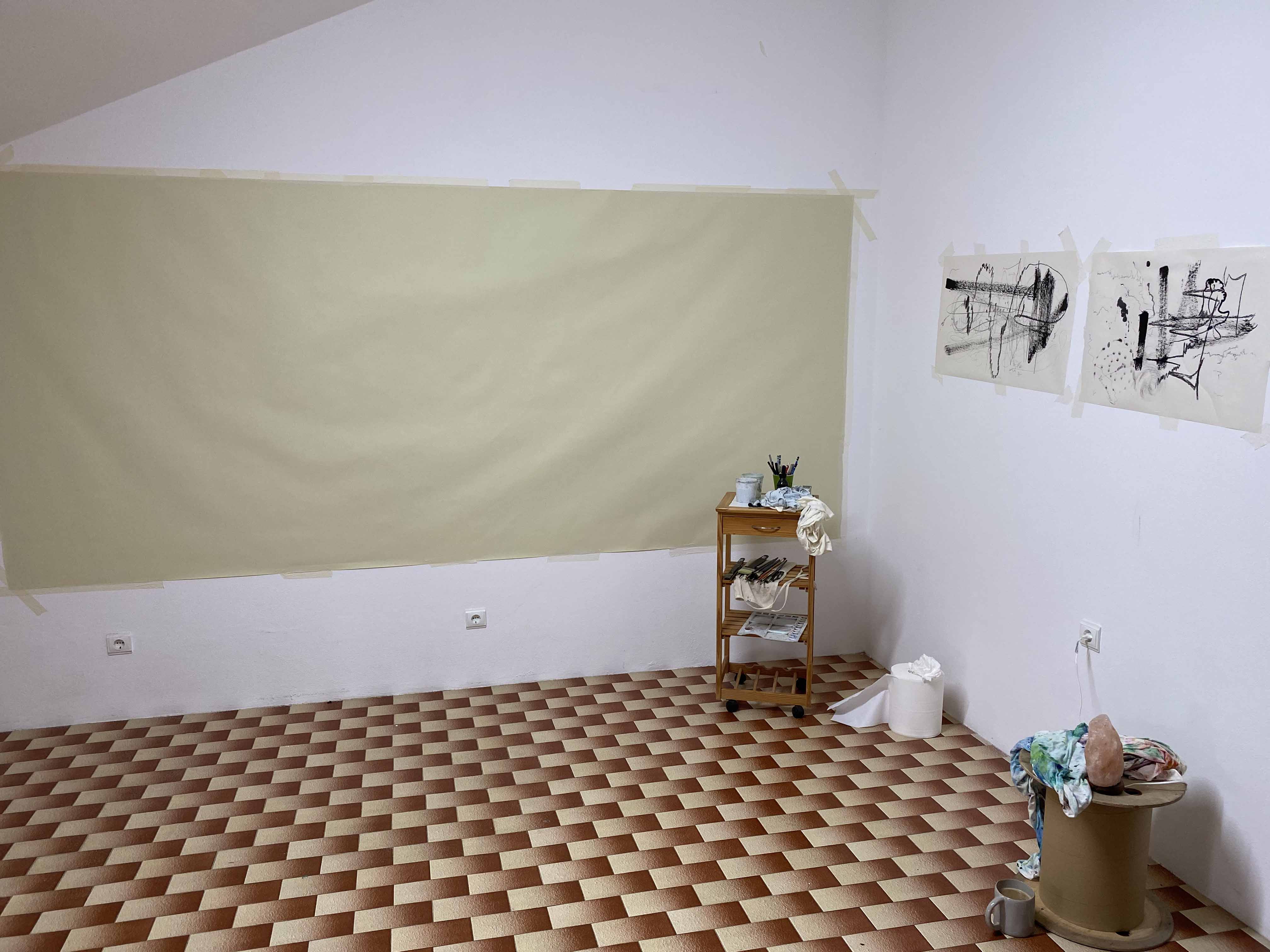
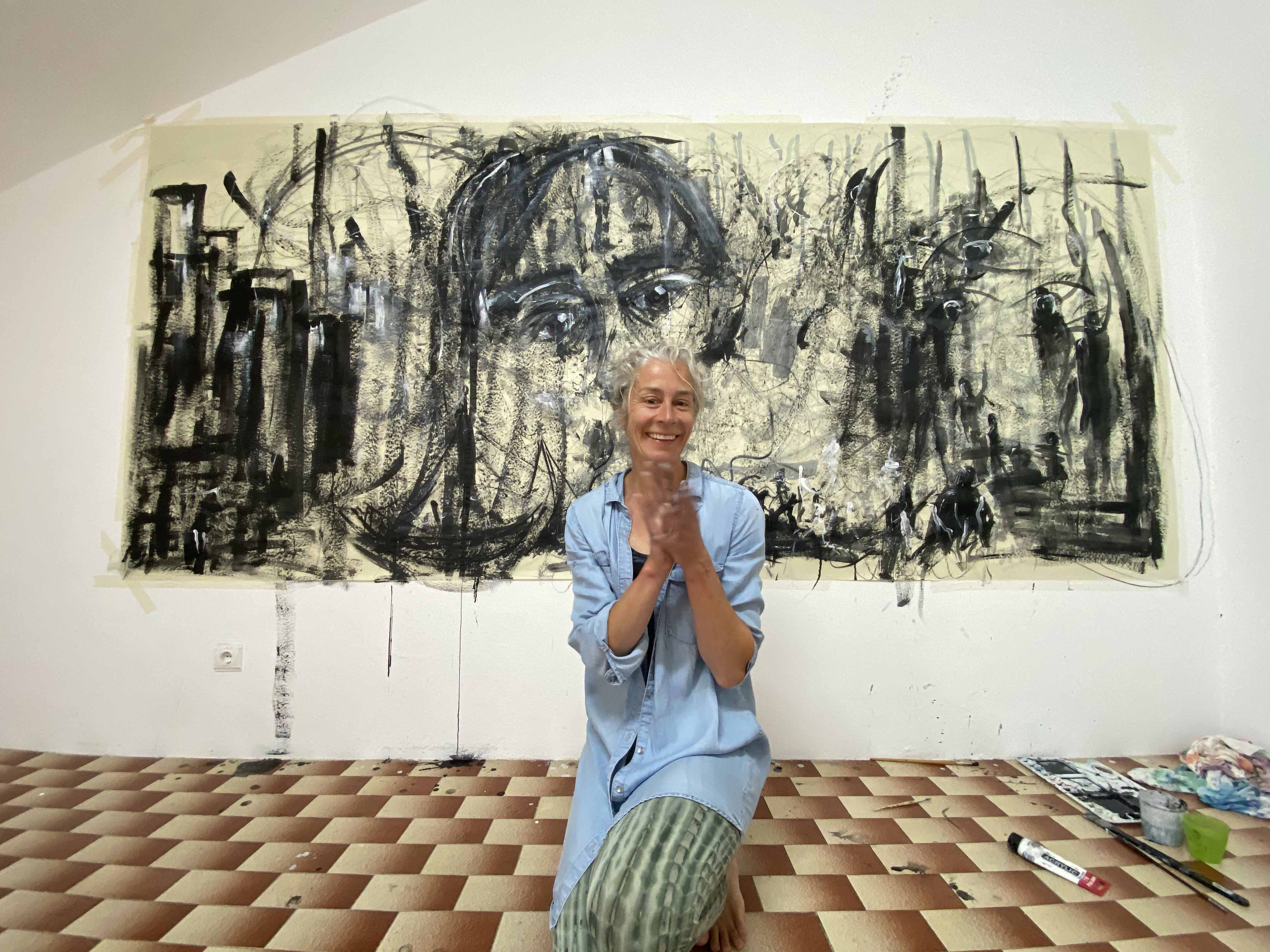
I am going to move and dance to the music while drawing- so I prepare a large sheet of paper- it is approximately 150×300 cm.

IMG_4967


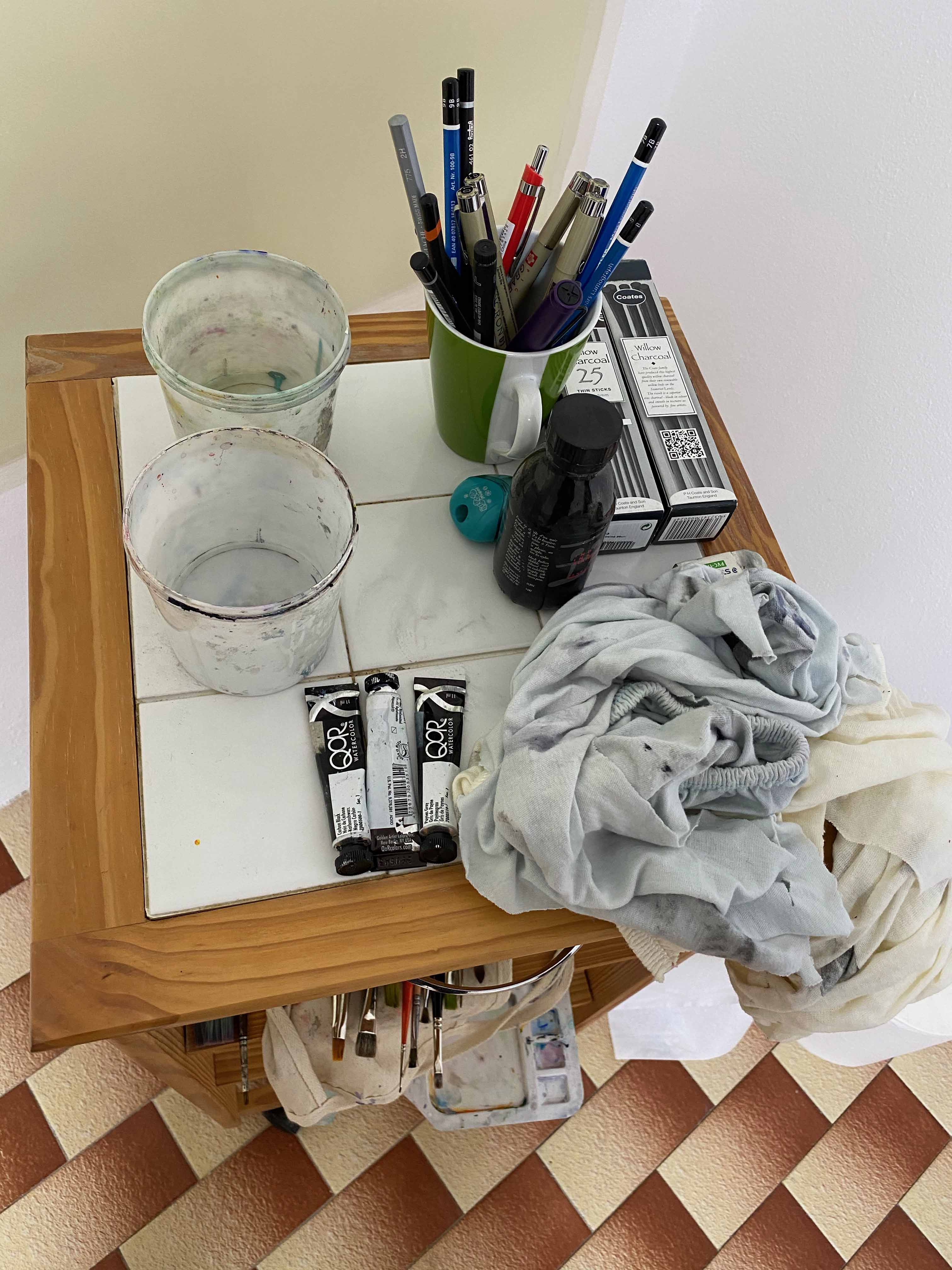
I prepare a wide array of black and white media- charcoal, graphite pencils, markers, Indian ink, watercolour and acrylics with lots of different brushes. As for the previous emotional response exercise, I decide to use only black and white media, to emphasize the focus on the mark-making rather than colour.

IMG_4969

I am ready to start!

Photo on 4-11-20 at 10.59 AM #2

I am aware that this is more of a performance, focusing on the dancing and moving my body while translating movement and emotions into physical marks on the paper, rather than expecting any finished “good” drawing as an outcome.

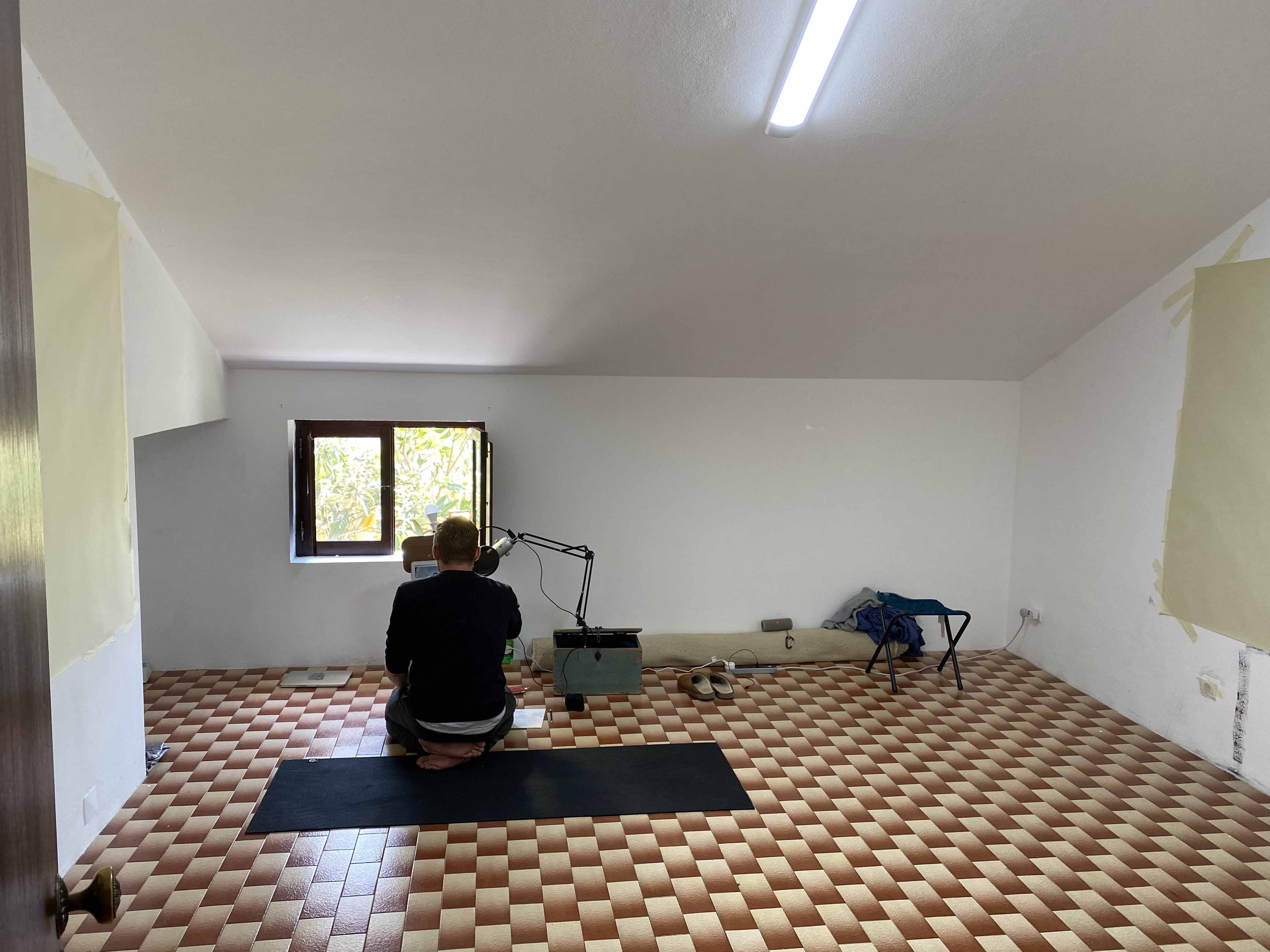
Luckily, Tom is in COVID 19 lockdown with us and he agrees to document the process by filming it.

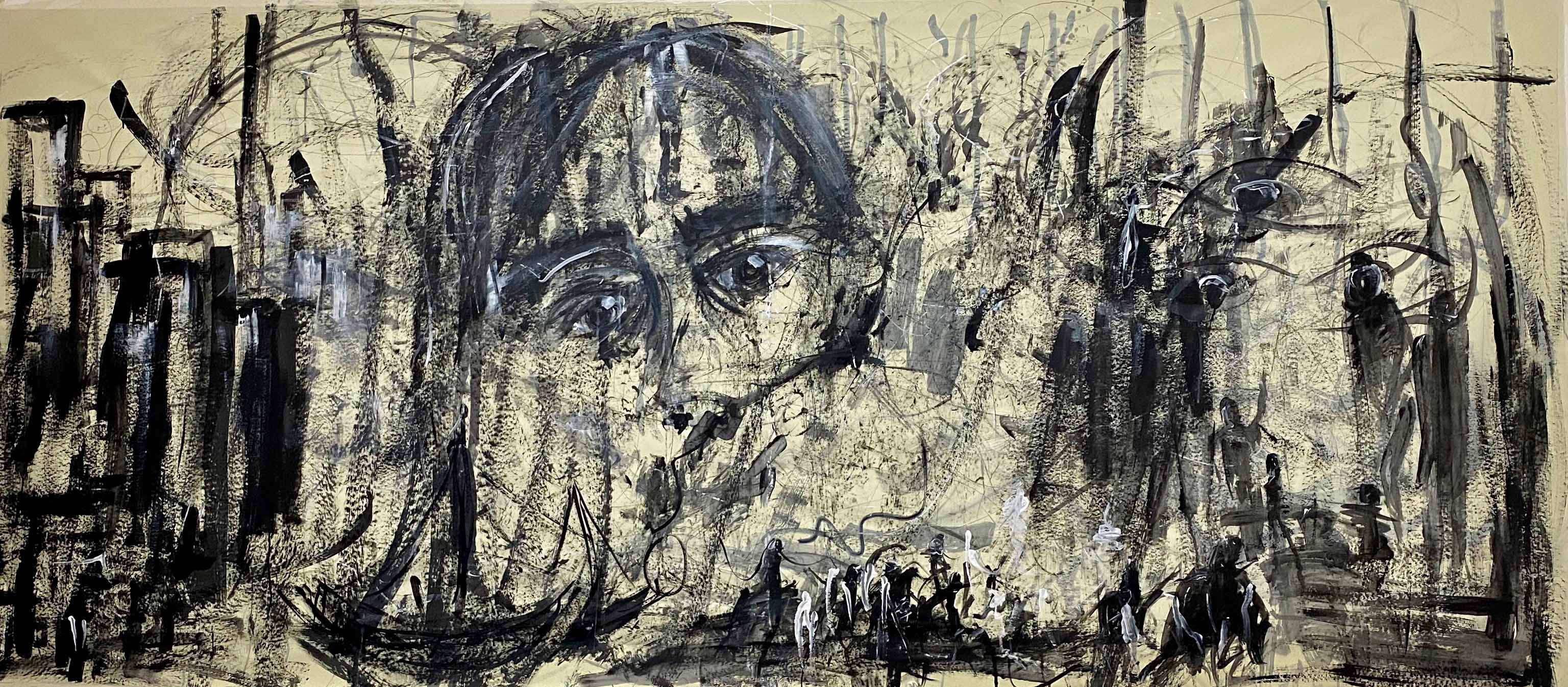
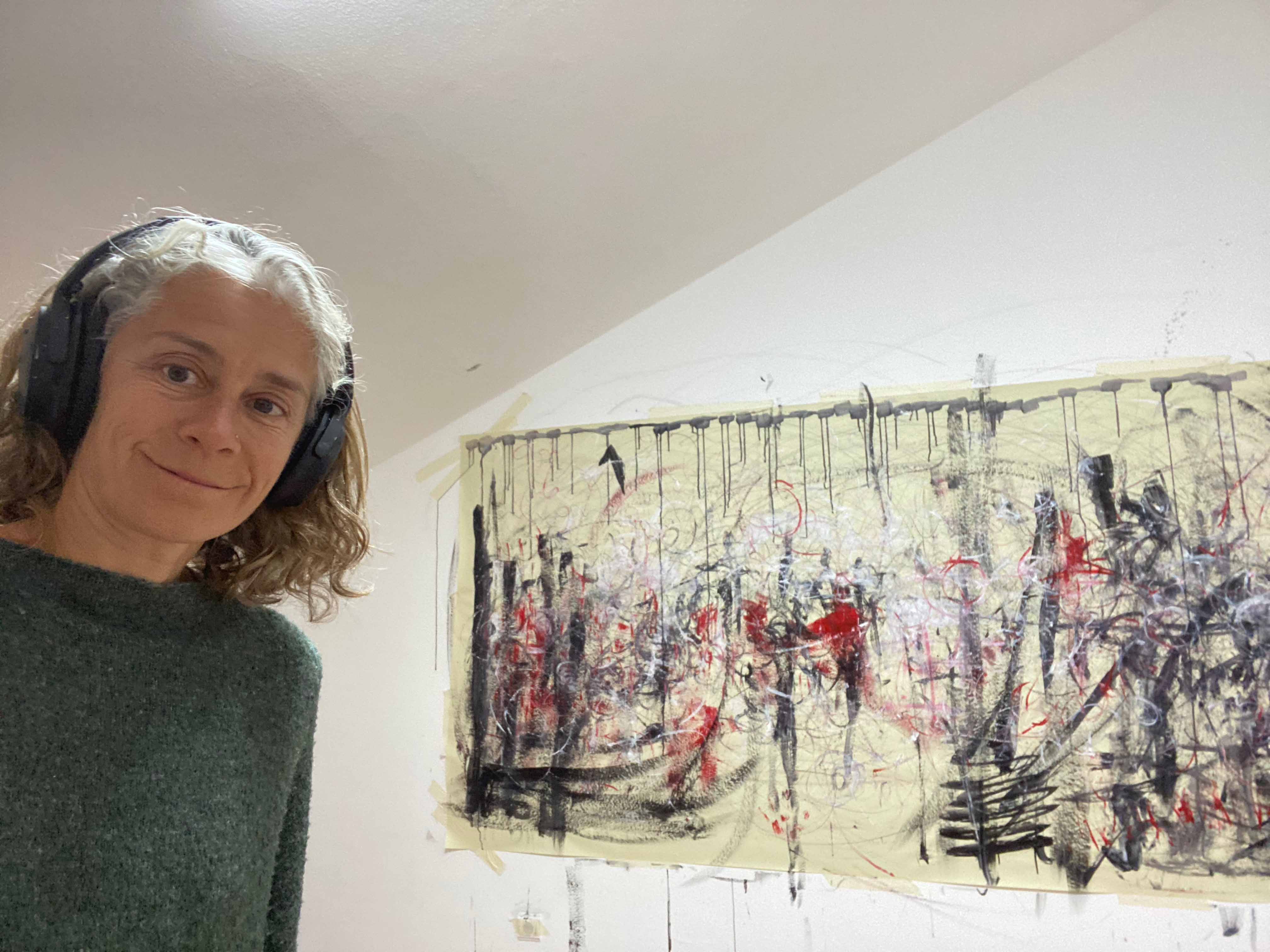
After one hour of non stop dancing and drawing, I am exhilarated and exhausted! I take a 15 minute break, shower and have a look if we can find some figurative elements. It seems like a face hovering over Hong Kong harbor is coming out.

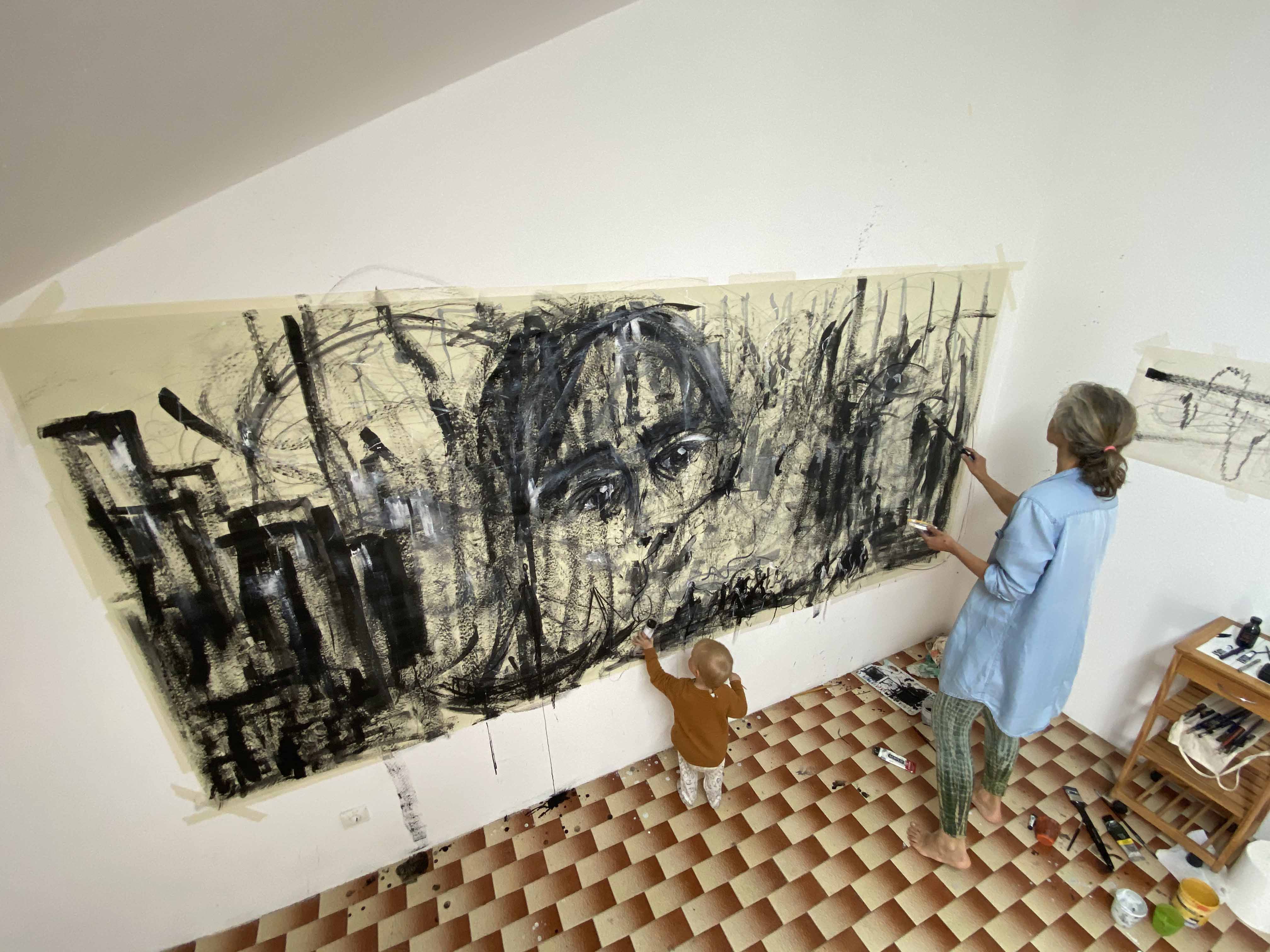
I am ready for round 2 and set the music to play again. This time I work more aware of the figurative elements. I still move intuitively in pace with the music, but keep track of what I do. My granddaughter wakes up from her nap and joins in the dancing and drawing.

IMG_5017

IMG_5023

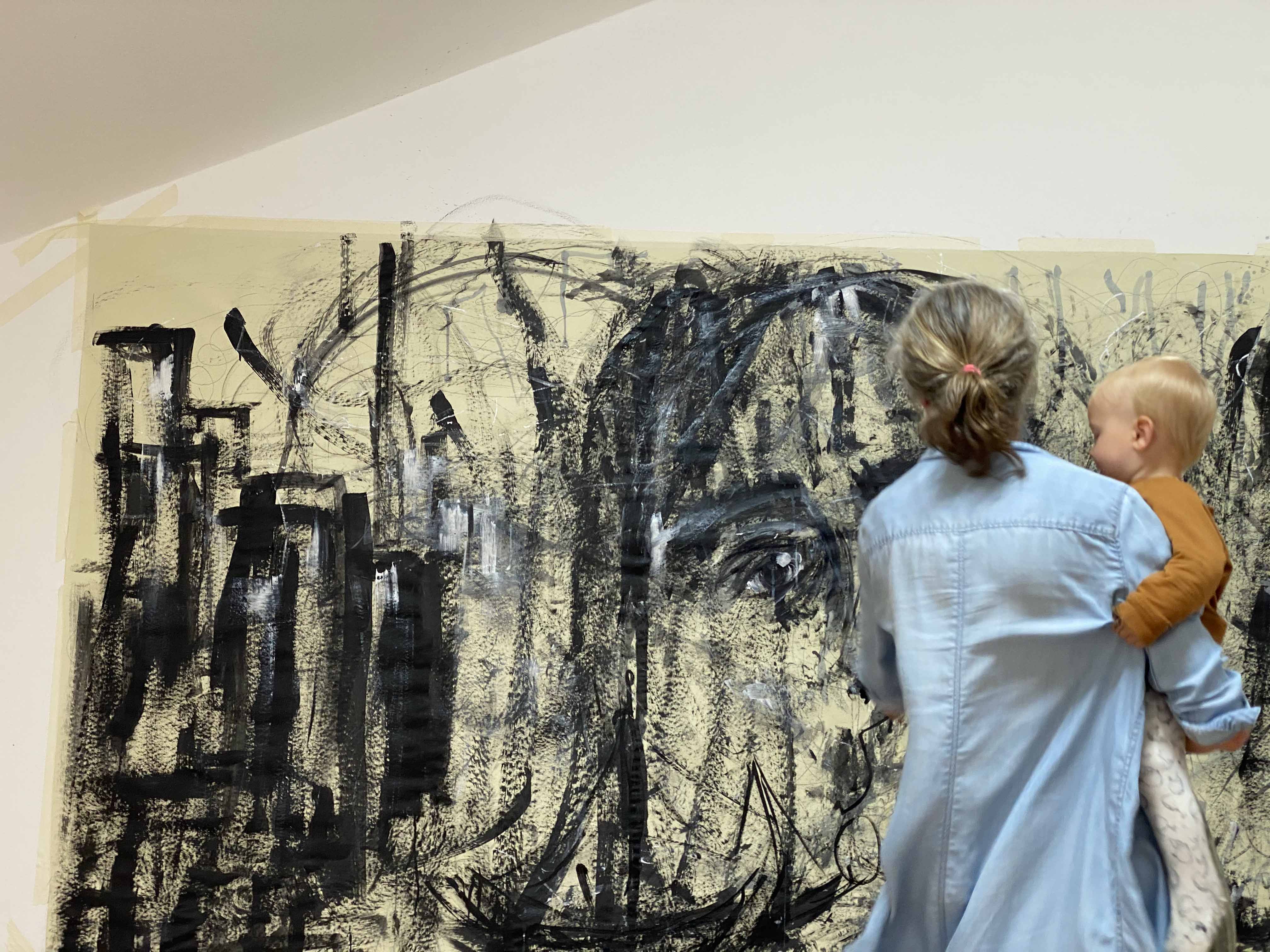
After the second hour, this is how the drawing looks (150x300cm):

IMG_5047


This movie, documenting the process, filmed and edited by Tom Woodfin (@perceptionarchitecture), is my final piece for Assignment 3:


Drawing for two hours intensely to music was an absolutely incredibly profound process. I was tingling of excitement and exhaustion after these two hours, and can not begin to tell what rollercoaster of emotions I experienced during the drawing.

IMG_5037

It was very interesting for me to experience the difference between my state of almost trance during the first hour, where I felt no need to even look at the result, and could just loose myself in the music, and the second hour, where I was still dancing, but remaining focused on the outcome. This opens up to a new, intense and rich way of approaching drawing and painting. I am really surprised that something as figurative as this could come out of this dance. And I am pleased to see that the final drawing still transmits the movement and the power of the dance.


Tom who was present and filming during large parts of the process, was so fascinated by what was happening, that he asked me to repeat the experience for his breathwork session. Tom is a breathwork facilitator, and is working on Zoom from my studio at the minute, due to the Covid 19 restrictions.

So the very next day, we set up two large papers on opposite walls, one for each of us.

IMG_5098

42 people from various parts of the world joined the session over Zoom, and all through the one hour 20 minute long session of music and breath exercises, Tom and I were dancing and drawing. This time, I pushed the concept of a performance even further, by having an audience, even if this audience was online and mostly eyes closed while they were breathing.

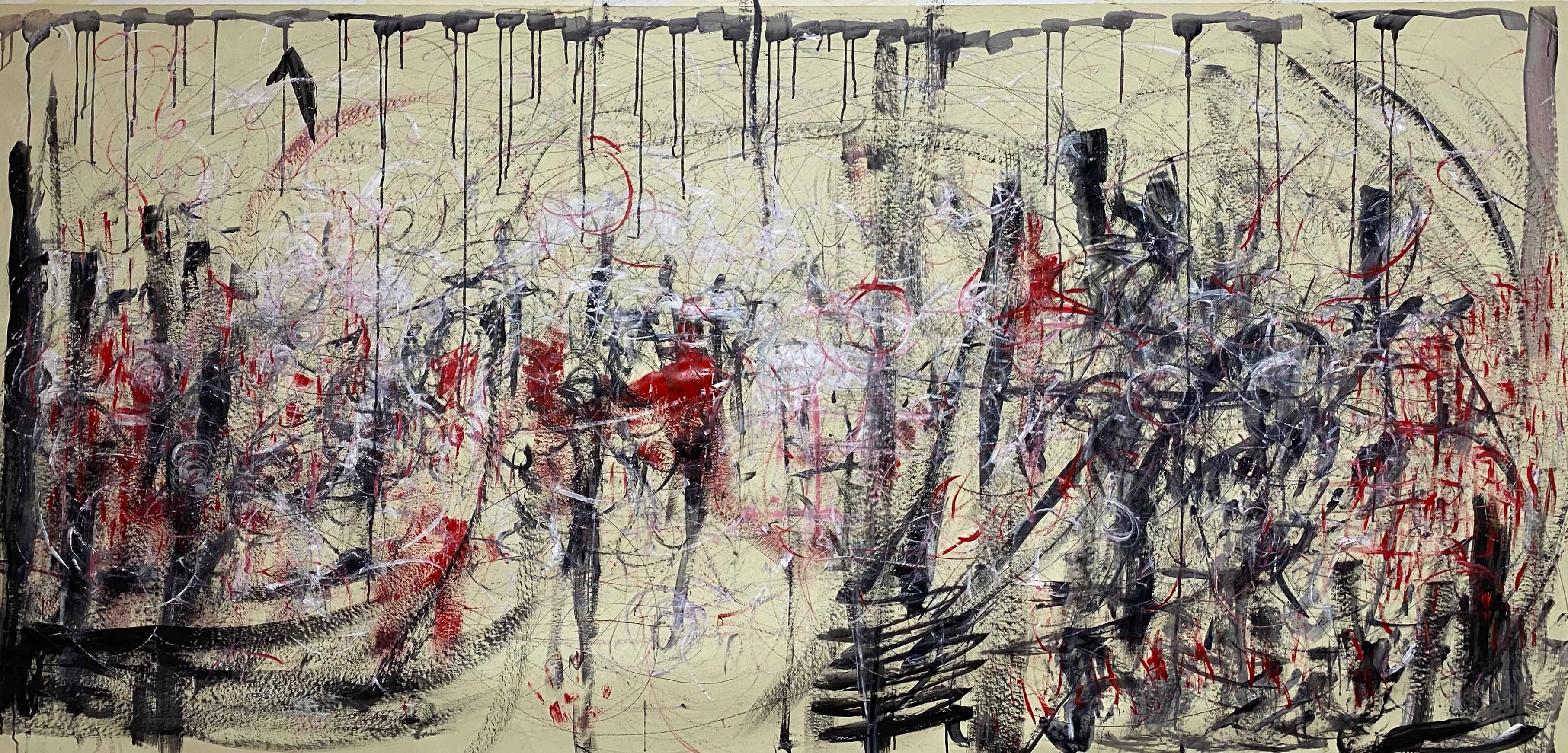
This is how my drawing looked after the 1 hour 20 minutes very varied music.

IMG_5108

I decided to repeat the exercise above, and came back alone the next day, playing the same tracks while continuing the drawing consciously.

IMG_5137

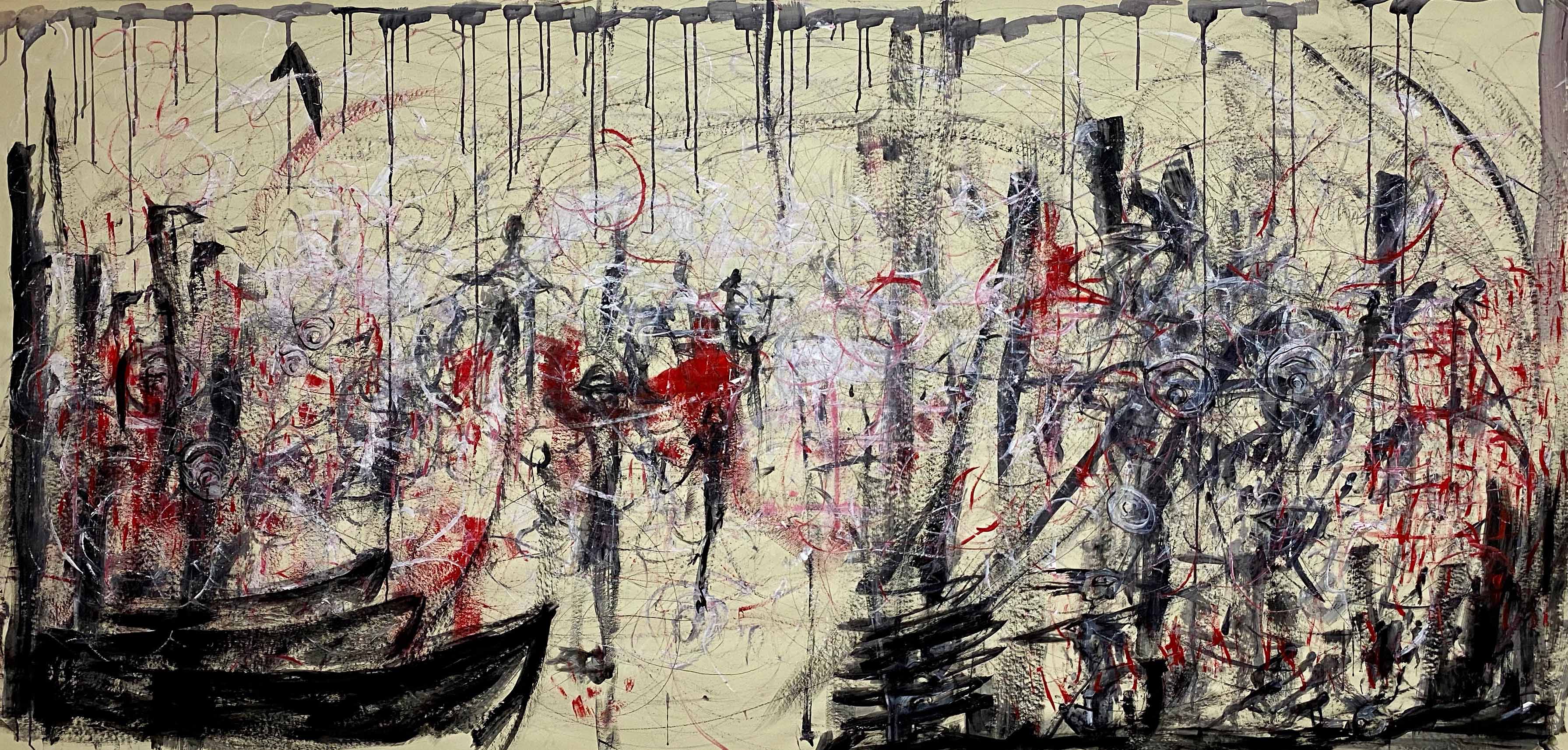
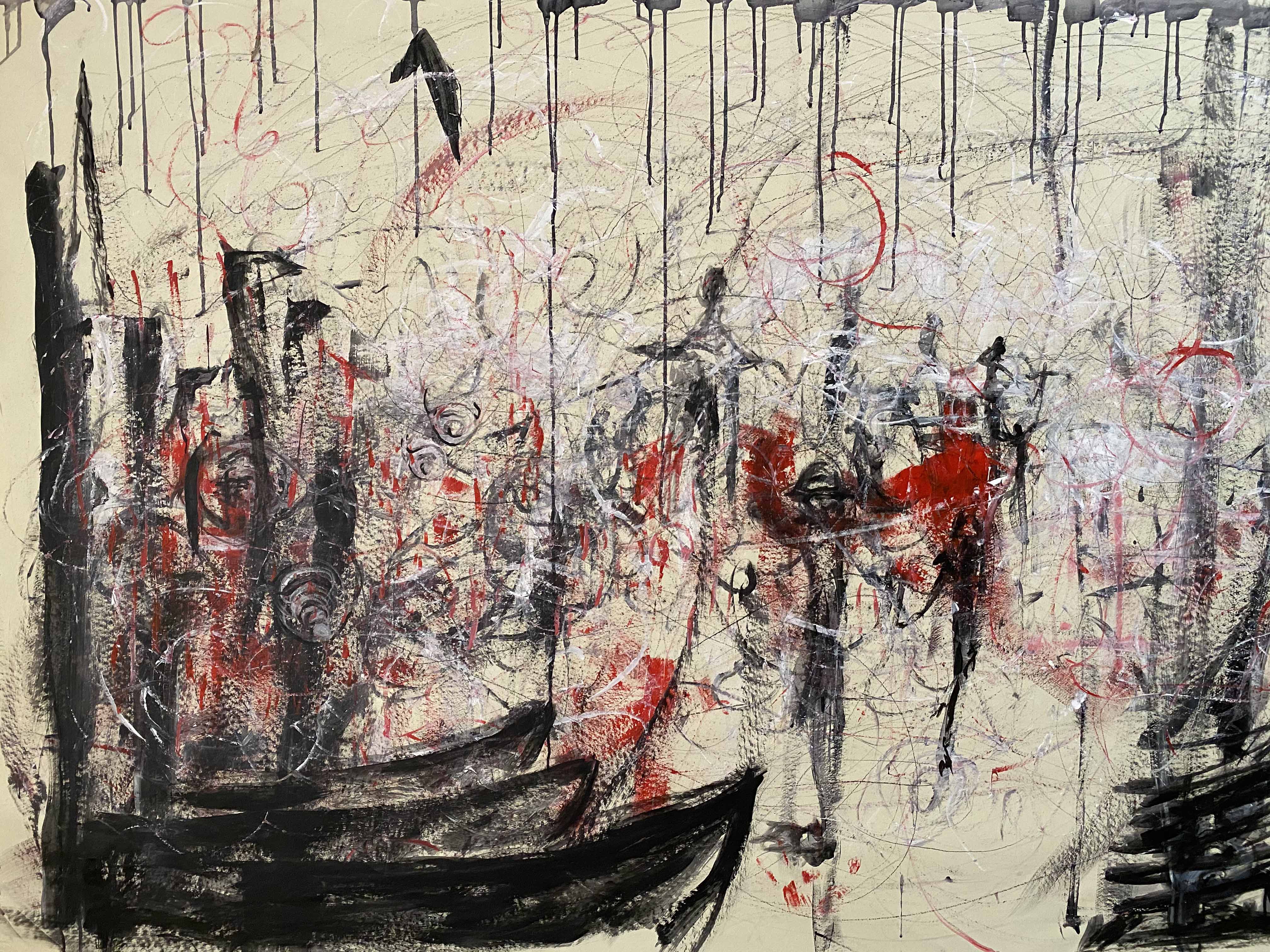
This time I had a really hard time seeing any figurative elements to start with, except for three boats in the left bottom corner. I decided to not change the overall composition,by inventing what I did not see, but lift out elements that jumped out at me.

This is the final drawing- rather apocalyptic with Covid 19 masks appearing again (150×300 cm):

IMG_5164

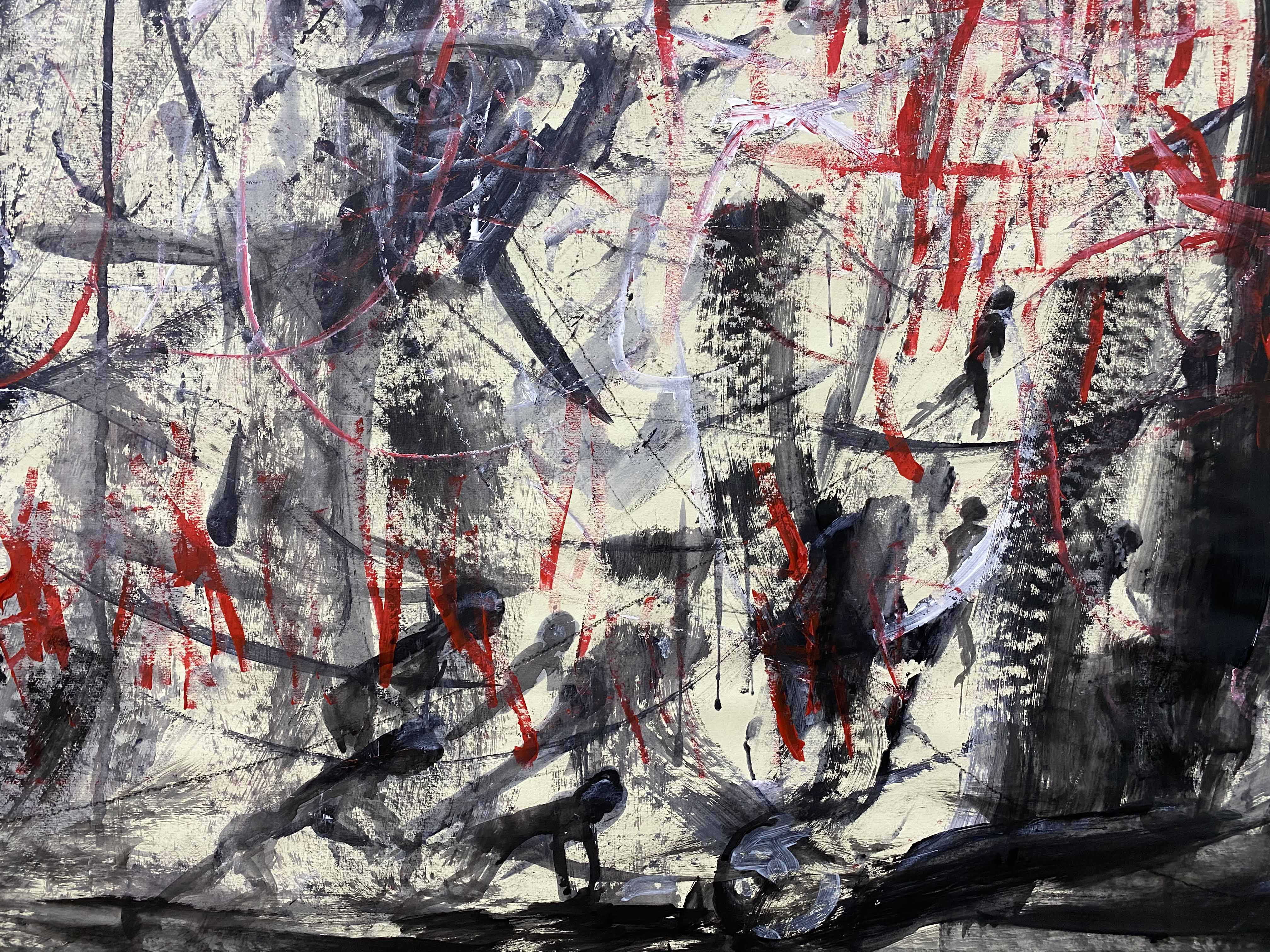
Here are some details that I like:

IMG_5213

IMG_5187

IMG_5215

IMG_5223

IMG_5232

IMG_5236


The experiences of these drawings to music have been profound. They have pushed me further towards performance and let me loosen the need for a clear or “good” outcome. I feel like a whole new ways of approaching drawing and painting  are opening up here, a more intuitive and gestural approach. I am curious to explore how I can incorporate these experiences into more conceptual work as well.


Reflections on tutor report Part 2

The drawings for Part 2 took me to quite personal and vulnerable places, so I was not quite sure what feedback to expect. I was delighted to receive a very encouraging and positive report from my tutor Emma Drye.
She recognized that I am exploring new ground and saw potential to develop  new tools and find new ways forward with performance drawings and animations. Her advice: “Continue to let your conceptual content direct your process though.”, feels very important. So far I have chosen either a more conceptual approach or allowed for performance drawings, and it is an exciting meeting point to let these approaches come together.
I was experimenting with video for project 2.1 Space Depth and Volume, where I created a stop motion of  a Wave crashing. This was a new approach that I will develop further.

Emma pointed out how in the portraits inspired by Auerbach for the same exercise- the Auerbach lines did not support the construction of the head- which was the missing link I needed to see.

My tutor formulated, how the large paintings with my body for Assignment 2, unlocked the way that my relationship with my body had been affected by my experiences and how important that was.

She recognized, that some of the paintings were too chaotic, and how the ones of a single moment that showed a clear iconographic image were easier to read for the viewer.

I guess, I was worried they were too empty or too simple , so it felt like a recognition that I can go on and explore single movement drawings. For sure, this opens up new possibilities and there are so many ways to continue this exploration!

For the final painting in red on linen, there is also a too hidden narrative. Emma writes “This is something that would need to be worked on and developed to find its own place as a figurative painting.”

For Project 3 Narrative, where I produced a series I called “Family picnic” where I portrayed my family with a COVID mask, I agree with my tutor, that the drawings would have benefited from a different type of line. She suggested that a  slightly more faltering , slightly more vulnerable and variable line would have given more information and would have conveyed something more about how the situation felt. I can absolutely see that now. I think at the time, I felt safer when choosing a rather boring way of drawing.

Similarly in the series of paintings for the same narrative, Emma really liked the surface that I have laid down, but was not convinced by the way that I actually painted the masks. I absolutely agree with that, and am quite surprised myself in hindsight about the difference in painting techniques between the backgrounds and the masks. I can’t believe this was not obvious to me while painting.  I was really so taken myself by the conceptual idea, the narrative, that I navigated towards some calm safety in the techniques without meaning to.

By painting the COVID masks onto objects in a humorous way, my tutor recognized how I was working through the feelings that came up with this difficult subject and seeing the power of art that way. I found it really helpful to get this reflected back at me, as it was a spontaneous decision at the time.

Another helpful reminder was to not overwork the pieces- something I definitely have a tendency to do! There is the value of space!

I have a long list of artists to research, which I am really excited to start with:
Louise Bourgeois, Ana Mendieta, Yoko Ono, Marina Abramovic, Ulay, Carolee Schneeman, Rose Finn-Kelcey, Helen Chadwick, Cathy de Monchaux